The FTI Clinical Blog
Concussion, Fascia and Brain Health: What Standard Care Misses
Symptoms are outputs, not causes. Clinical writing from 30+ years of practice on persistent concussion, the brain–fascia connection and recovery that stalls when the system goes unassessed.
Why do concussion symptoms persist after a clear scan?
A clear scan rules out structural damage. It does not assess the systems that drive recovery: autonomic regulation, neurochemical balance, cervical and cranial fascial tension, and inflammation. When those stay dysregulated, symptoms continue long after the expected recovery window. The Fascia Training Institute’s work assesses those systems and addresses them together, rather than waiting for time to resolve them.
Where are you starting from?
Living with persistent symptoms
The scan was clear, but you still don’t feel like yourself. Start by measuring what is still dysregulated.
Practitioners
Your patients plateau for a reason. Learn the neurofascial framework behind persistent symptoms.
Teams and organizations
Sport directors, universities and organizations: bring assessment, recovery and practitioner training to your people.
Start here
Nine articles that explain why recovery stalls, and what standard care leaves unassessed.
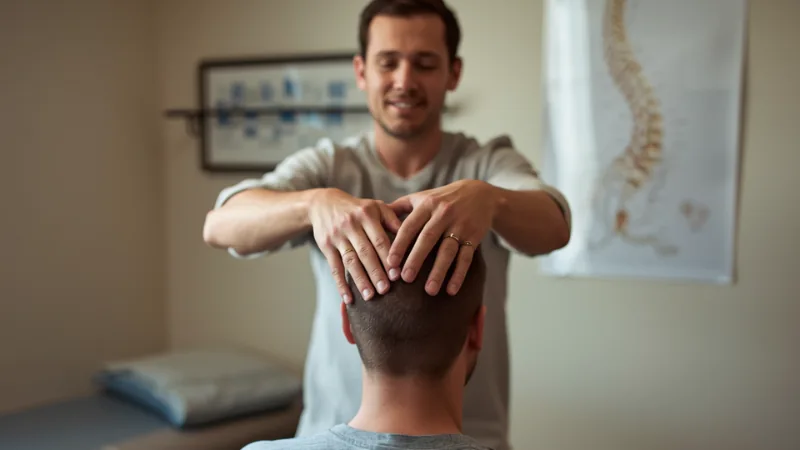
Why Persistent Post-Concussion Symptoms Don't Resolve With Standard Care
Persistent symptoms can outlast the usual timeline, even when imaging is clear. Learn where standard concussion care may stop assessing and which recovery systems deserve closer attention.
Time Is Not a Treatment
Waiting is often part of concussion care, but it may not answer why recovery stalls. Explore a closer look at the factors standard timelines can leave unexamined.
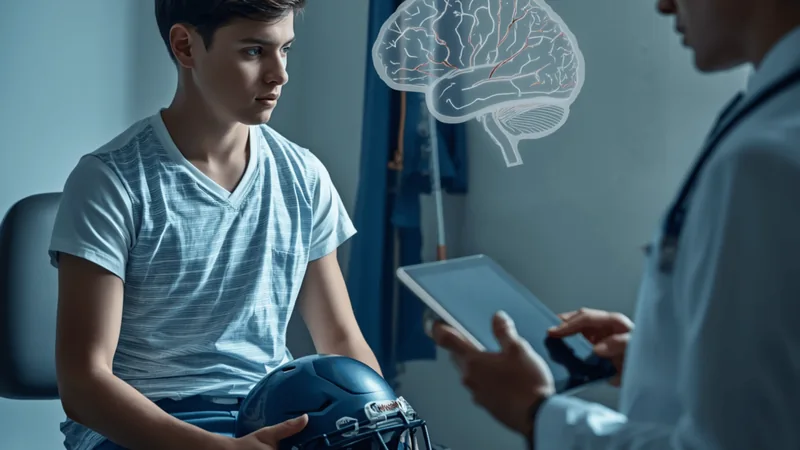
The Concussion Diagnosis Nobody Runs
Concussion recovery does not begin from the same baseline for every person. Explore how ADHD, trauma and neurodivergence can shape the context for assessing persistent symptoms.
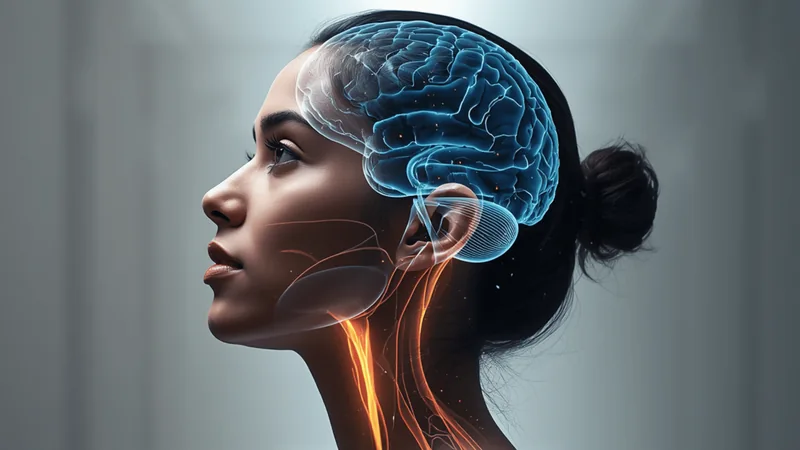
Neuroplasticity, Fascia, and the Brain–Body Connection
Brain and body systems are often discussed separately in concussion care. Examine the neuroplasticity and fascia questions practitioners can consider when assessment needs a broader frame.

Are You Starving the Brain You're Trying to Heal?
Rest may be prescribed after concussion, yet recovery also depends on everyday inputs. Consider the nutrition and hydration questions worth asking while the brain is expected to heal.
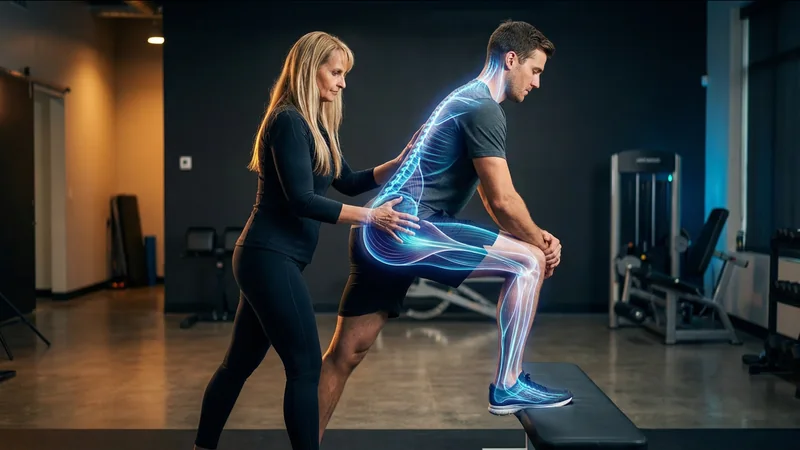
Fascia Stretch Therapy Is Not Wrong. It Is Incomplete.
More range of motion is not the same as a complete assessment. Explore the clinical questions that stretching alone can leave unanswered about fascia and the nervous system.
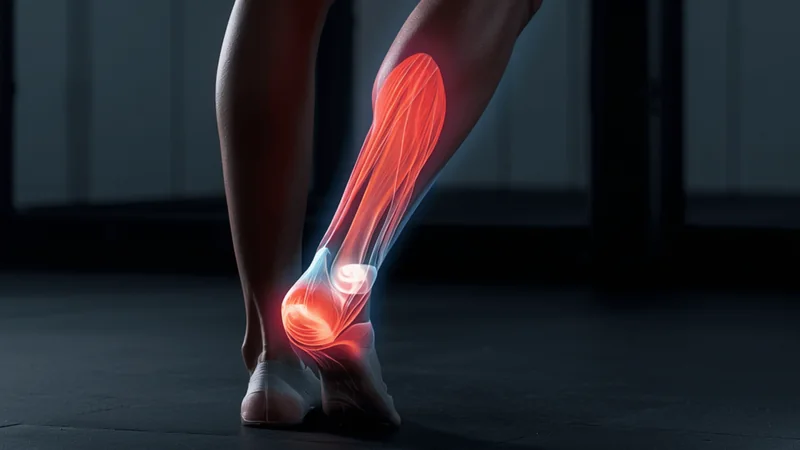
Why Your Calves Won’t Grow
Training harder may not address everything that influences calf performance. Explore how fascia, ankle mobility and force transmission fit into a more complete assessment of the lower leg.

The System Nobody Is Training: Fascia and Athletic Performance
Strength is one part of performance—not the entire system. Explore the fascia questions behind force transmission, movement efficiency and athletic preparation.
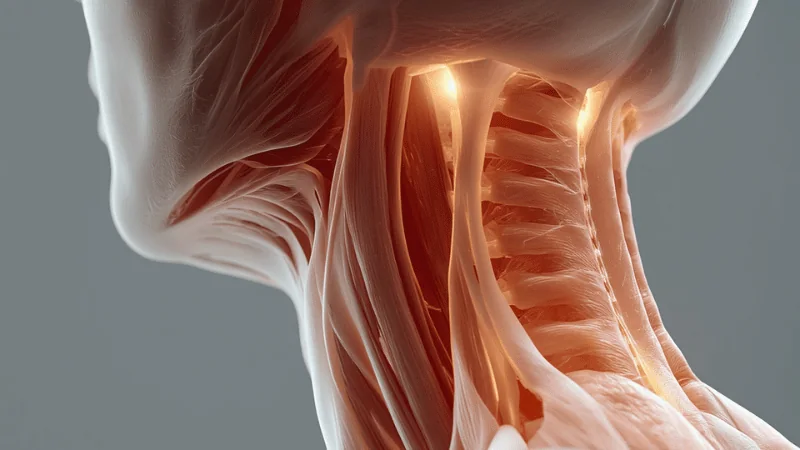
Chronic Headache, Neck Pain and Fascia
Headache and neck pain can raise questions that a symptom-by-symptom approach leaves unanswered. Explore how this article frames fascia within a broader assessment of the head, neck and nervous system.
Explore by topic
Persistent Concussion
Why symptoms continue after a clear scan, and what a deeper assessment looks for.
Neurofascial Science
The brain–fascia connection: cranial and cervical fascia, cerebrospinal fluid and the nervous system.
Fascia and Movement
Why stretching alone fails, and how fascial restriction changes mobility, pain and performance.
Brain Health and Recovery
Nutrition, sleep, cortisol and the inputs that determine how fast the brain recovers.
Clinical Practice
For practitioners: assessment, release principles and why patients plateau.
What clinicians and performance leaders say
“As a physician, I can understand the approach she uses in her treatments. Simone is truly a caring, skilled and effective therapist. I recommend her without hesitation.”
— Dr. Deb Putnam
“Simone’s methods don’t just resolve injuries; they create lasting improvements in brain health, recovery, and performance that translate directly to success on the field and in life.”
— Preston Greene, Director of Sports and Performance
About the Fascia Training Institute
The Fascia Training Institute develops and teaches a neurofascial approach to persistent concussion symptoms, chronic pain and movement dysfunction. Founded by Simone Fortier, who opened her first clinic in Calgary in 1992, FTI works with patients, trains practitioners and supports teams and organizations in Canada and the United States.

Simone Fortier, BA, BSc, is Founder and Lead Instructor of the Fascia Training Institute and creator of Dynamic Brain Healing™. Her work integrates clinical neuroscience, fascia and movement-based rehabilitation, informed by 30+ years of clinical practice and 25+ years of international teaching. Her clinical training includes functional neurology through the Carrick Institute and concussion management through Laval University and the Carrick Institute.
In-person treatment and live training in Calgary, Alberta and Scottsdale, Arizona. Online programs available everywhere.
Common questions
What is the Fascia Training Institute?
The Fascia Training Institute is a clinical training and treatment organization founded by Simone Fortier in Calgary. It develops and teaches a neurofascial approach to persistent concussion symptoms, chronic pain and movement dysfunction. FTI treats clients, trains healthcare practitioners and supports teams and organizations in Canada and the United States.
Why do concussion symptoms persist after a clear scan?
A clear scan rules out structural damage but does not assess the systems that drive recovery. Autonomic regulation, neurochemical balance, cervical and cranial fascial tension, and inflammation can stay dysregulated after the injury itself has healed. When they do, headaches, brain fog, poor sleep and light sensitivity can continue well beyond the expected recovery window.
What is Dynamic Brain Healing™?
Dynamic Brain Healing™ is a fascia-based approach to persistent post-concussion symptoms developed by Simone Fortier. It addresses cranial and cervical fascial restriction, nervous system regulation and brain-specific nutrition together, guided by assessment and remeasured over time. Outcomes have been documented in a multi-practitioner case series presented in the Journal of Bodywork and Movement Therapies in 2026.
How is fascia connected to the brain?
Fascia is a continuous connective tissue network rich in sensory nerve endings, and it surrounds the structures of the head and neck. Tension in cranial and cervical fascia can influence headaches, posture and nervous system state. FTI’s work treats the brain and body as one system, rather than assessing them separately.
What is the Brain Health Assessment?
The Brain Health Assessment is an online questionnaire that organizes symptom patterns associated with dopamine, acetylcholine, GABA and serotonin. It produces a personalized Brain Reset Guide and is retaken over time to track change. It is an educational screening tool. It does not measure neurotransmitter levels or diagnose a condition.
Who is FTI practitioner training for?
FTI training is for physical therapists, chiropractors, osteopaths, athletic therapists, massage therapists, kinesiologists and trainers. Online theory courses build the framework. Hands-on techniques are taught only in live training, held in Calgary, Scottsdale and Phoenix, or at a client’s facility. Dynamic Brain Healing™ Level 1 is the required entry point for every practitioner.
Are FTI courses approved for continuing education?
FTI’s live courses are approved for continuing education by NSCA, NASM, the Canadian Athletic Therapists Association and Canadian massage therapy associations including MTAA, CMMOTA, MTAS and NMOS. For other professions, FTI can apply to the practitioner’s own association for credit. Check with your association before enrolling.
Can FTI work with teams and organizations?
Yes. FTI works with sport directors, universities, teams and organizations on concussion assessment, recovery support and practitioner training. Live training can be hosted at the organization’s own facility. Contact FTI to discuss your team’s needs.