Brain Health Assessment: Find the System Behind Your Focus, Recovery and Performance
It’s not that you lack discipline. It’s that your system is running under load. The Brain Health Assessment shows you where.
Created by Simone Fortier, BA, BSc, Master Certified Counseling. 30+ years of clinical practice. 25+ years of international teaching.
What is the FTI Brain Health Assessment?
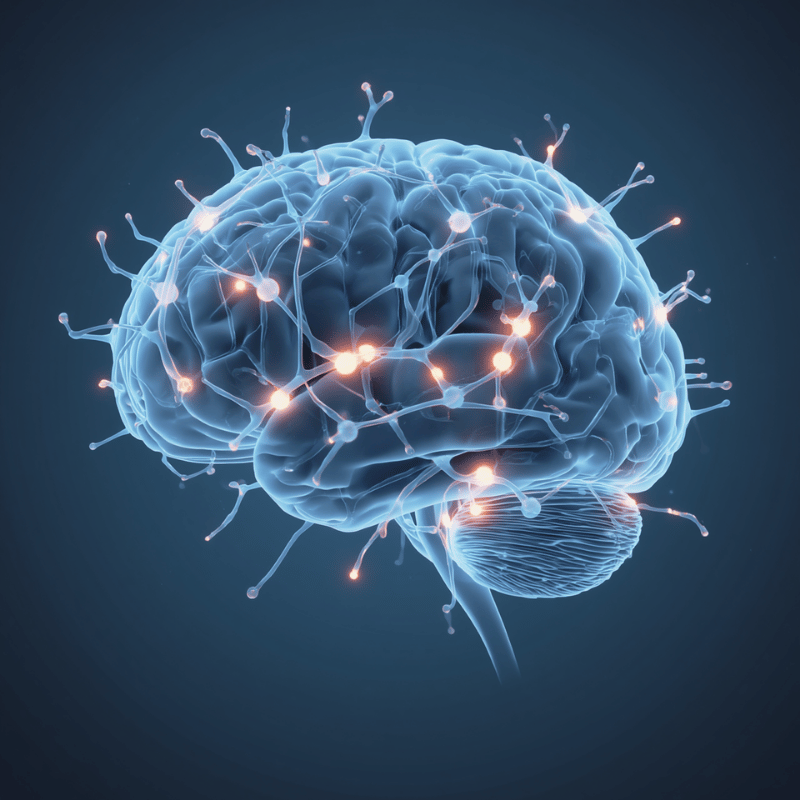
The FTI Brain Health Assessment is a 114-question online assessment created by Simone Fortier, BSc, founder of the Fascia Training Institute. It profiles symptom patterns linked to four neurotransmitter systems: dopamine, acetylcholine, GABA and serotonin. Results generate a personalized Brain Reset Guide. Retesting every four weeks measures change against your own baseline.
Performance breaks down in the brain first
You know what to do. You are not doing it.
You have tried planners. Podcasts. Pushing harder. Earlier mornings. More caffeine.
None of it holds. Because this was never a motivation problem.
Focus, drive, recovery and emotional control are outputs. They are produced by brain chemistry and regulated by the nervous system. When the brain is under sustained load (pressure, poor sleep, training volume, an old concussion, ADHD), those systems deplete. The output fails first. The cause stays invisible.
What you are feeling is the output, not the cause.
This is the gap no one is addressing. The Brain Health Assessment measures it.
Choose your track
For athletes: recovery is neurological before it is physical
You can rehab the body and still lose the edge. Reaction time drops. Decisions slow. Sleep stops restoring. Motivation to train fades without an obvious reason.
That is not your conditioning. That is your brain under cumulative load. Training volume, travel, competition stress and impact all draw on the same neurotransmitter systems that control speed, drive and recovery.
The Brain Fitness Test profiles those systems so your recovery plan includes the organ that runs everything else. It is the same framework Simone has used with professional, collegiate and Olympic athletes for concussion recovery and performance.

- Measures the patterns behind processing speed, drive, calm under pressure and sleep quality
- Gives you a baseline before the season, after a hit, or when performance stalls
- Retest every four weeks to track change, not guess at it
For the Industrial Athlete: the job demands more than strength
You lift. Climb. Troubleshoot. Stay alert through long shifts. Physical work demands more than strength.
When focus slips, sleep stops restoring or recovery feels incomplete, pushing harder does not explain the pattern.
The Industrial Athlete Brain Fitness Test brings brain health into the conversation for tradespeople, technicians and operators.
Your personalized Brain Reset Guide gives you nutrition and lifestyle priorities to discuss with your health professional.

- Map self-reported focus, sleep and recovery patterns
- Receive your personalized Brain Reset Guide
- Track changes against your own baseline
Educational assessment. Not a diagnosis or a fitness-for-duty evaluation.
For executives and founders: execution failure is a systems issue
You built something that demands everything. Now the brain that built it is running on reserve.
You are capable. You are inconsistent. Clarity comes in bursts. Decisions that used to take minutes take days. You are exhausted and cannot sleep.
The standard advice is to manage your time. Your time is not the problem. Your neurological capacity is.
The Brain Health Assessment identifies which systems are depleted under pressure, so recovery is targeted rather than generic.

- Profiles the patterns behind focus, follow-through, stress tolerance and decision fatigue
- Converts “I’m burnt out” into a measurable baseline
- Connects directly to the Brain Reset Program for a full system correction
For ADHD: it’s not a focus problem, it’s a regulation problem
You can hyperfocus for six hours on the wrong thing. You cannot start the one thing that matters.
That is not a character flaw. ADHD is a dysregulation of the systems that govern attention, reward and inhibition, and dopamine sits at the centre of them. Chronic stress, trauma and old head injuries load the same systems further.
The Brain Health Assessment maps which neurotransmitter patterns are most associated with your symptoms. Your Brain Reset Guide then gives nutrition and lifestyle strategies to support focus and regulation alongside your medical care.

- Profiles the patterns behind task initiation, overwhelm, restlessness and sleep
- Separates ADHD patterns from stress and post-concussion load
- Designed for capable adults who are tired of being told to try harder
How the Brain Health Assessment works

01
Answer 114 questions online.
About 15 minutes. No lab visit.
02
Receive your Brain Reset Guide.
Your results identify your most affected neurotransmitter systems, with first-step nutrition and lifestyle recommendations.
03
Book your consultation (optional).
Work with Simone to build a full Brain Reset Program, including a supplement review. Delivered online.
04
Retest every four weeks.
Lower scores mean improvement. You see the change in numbers, not just in how you feel.

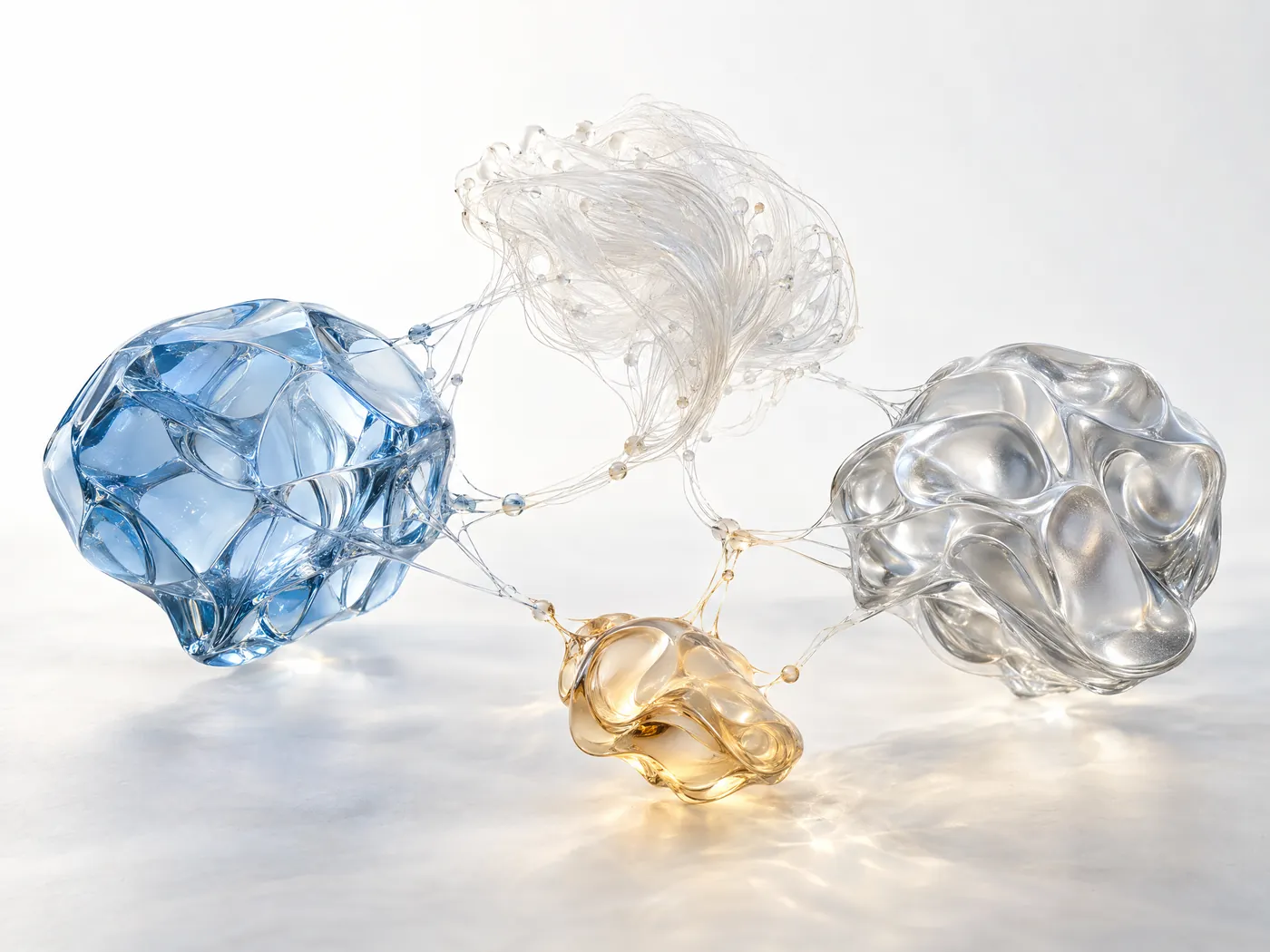
What the Assessment Measures
| System | What it drives | What depletion looks like |
|---|---|---|
| Dopamine | Drive, focus, follow-through | Procrastination, low motivation, needing pressure to start |
| Acetylcholine | Processing speed, memory, creativity | Slower thinking, word-finding gaps, brain fog |
| GABA | Calm, regulation, rhythm | Anxiety, restlessness, overwhelm, poor sleep onset |
| Serotonin | Mood stability, sleep, recovery | Irritability, low mood, waking unrested |
The framework is based on the work of Dr. Eric Braverman, MD, refined by Simone Fortier through years of clinical application in concussion, trauma and high-performance settings.
What you receive for $27
- The 114-question Brain Health Assessment
- Your personalized Brain Reset Guide
- Your most affected brain systems, ranked
- First-step diet and lifestyle recommendations
- Access to book a consultation for a full Brain Reset Program

$27
The guide is the baseline.
The Brain Reset Program is the correction.
How the assessment reads your system
Every question is assigned to one of four functional domains in the assessment: dopamine, acetylcholine, GABA or serotonin. Your answers are scored by domain to organize the pattern of focus, processing, regulation, sleep, mood and recovery you are experiencing now.
This is a functional baseline. It does not measure neurotransmitter concentrations, prove a chemical deficiency or diagnose a condition. It identifies the symptom pattern that deserves attention and gives you a starting point to retest against.
Neurotransmitter systems help regulate how the brain filters information, allocates attention, learns from reward, manages arousal and maintains sleep–wake rhythms. Dopamine is involved in learning, reward, emotion and executive function. Acetylcholine modulates attention and cognition. GABA is a major inhibitory transmitter and participates in sleep regulation. Serotonin modulates multiple neuropsychological processes. These systems interact; none operates alone.
That is why the questions address how you respond under pressure, how clearly you think, how well you sleep, how consistently you follow through and how your emotional state shifts. Neurotransmitters influence how you process and respond to the world. They do not dictate your personality or define who you are.
Research context: NCBI Bookshelf: Physiology, Neurotransmitters; review of neuromodulator regulation of cognition and emotion.
Results
“
I used to wake up with a weight on my chest, dreading the day before it even started. Even the smallest tasks felt impossible. This program didn’t just clear the mental fog—it gave me back my clarity, my energy, and my confidence. For the first time in years, I feel focused, calm, and in control. I’m no longer just getting through the day… I’m finally living it.
Emily R.
Entrepreneur and mother of two
“
Before this program, I was barely hanging on. I couldn’t finish anything—I’d start a project full of hope and then watch it fall apart. I was stuck in survival mode, working in a serving job that drained me, numbing the pain with alcohol and substances just to get through the day.
This program changed everything. It helped me reset my brain, rebuild my focus, and finally complete the project I’d been dreaming about for years. That project led to my dream job—and for the first time, I’m making real money doing something I love.
I’m sober. I’m clear. I’m thriving.
This program didn’t just help me get my life back. It saved it.
Stasi P.
Entrepreneur
“
I just wanted to express my gratitude. I had a business convention this past weekend, and in the past, every single event like this would end in migraines, sometimes so severe that I’d have to leave early. This time? No migraines. Not even a headache.
Even with less sleep than usual—a significant trigger for me—I felt clear, energized, and fully present. That’s never happened before.
This program has been life-changing. I’m now thriving in my job, continuing the protocol, and sharing it with others who are struggling like I was. I’m so grateful I found you.
Meredith J. Physical Therapist
New York
Athlete testimonial: pending client consent
Executive testimonial: pending client consent
Choose your assessment
Four versions. One framework. Choose the one that matches you.


Adult Brain Health Assessment
Brain Fitness Test

Teen Focus and Function Assessment
Brain Foundations Assessment
For parents: kids and teens
A child who cannot settle is not being difficult. A teen who shuts down under pressure is not lazy. Both are signs of a brain under load. The earlier the system is supported, the stronger the result.

“
Before the program, my 5-year-old son had never asked for a hug. He struggled with connection, was constantly wired, and wouldn’t fall asleep until 11 p.m.—every night was a battle. Two weeks after starting the brain reset program, everything changed. One night, he looked at me and quietly asked, ‘Can I have a hug?’ I broke down in tears. He now goes to bed peacefully by 7:30 p.m., and our home feels calm for the first time in years. This program didn’t just help my son—it gave me my child back.
Claire
Mother of a Brain Reset Program client, age 5
You have been treating the output. This is where it changes.
Measure the system. Correct the system.
When the system changes, everything changes.
Brain Health Assessment: frequently asked questions

What is the Brain Health Assessment?
The Brain Health Assessment is a 114-question online assessment that organizes symptom patterns across four functional domains associated with dopamine, acetylcholine, GABA and serotonin. Created by Simone Fortier, BA, BSc, Master Certified Counseling, it produces a personalized Brain Reset Guide with nutrition and lifestyle recommendations. It costs $27 and takes about 15 minutes.
Who is the Brain Health Assessment for?
It is for adults, teens and children whose focus, mood, sleep or recovery is not where it should be. It is used most often by athletes, executives and founders, adults with ADHD patterns, and people with persistent concussion symptoms. Separate versions exist for ages 7 to 10, 11 to 15, and 16+.
Can the Brain Health Assessment help athletes?
Yes. The Brain Fitness Test profiles the neurotransmitter systems behind processing speed, drive, calm under pressure and sleep. Athletes use it as a pre-season baseline, after a head impact, or when performance stalls without a physical cause. Simone Fortier has used this framework with NFL, NHL and Olympic athletes.
Can the Brain Health Assessment help with ADHD?
Yes, as a support tool, not a diagnosis. It identifies which neurotransmitter patterns are most associated with your focus, overwhelm and follow-through symptoms. Your Brain Reset Guide then gives nutrition and lifestyle strategies that work alongside your medical care, including medication if you use it.
Why do high performers burn out even when they are disciplined?
Because execution depends on brain capacity, not willpower. Sustained pressure, short sleep and constant decision-making deplete the neurotransmitter systems that drive focus and follow-through. Discipline cannot replace a depleted system. The assessment shows which system is depleted so recovery can be targeted.
Does the Brain Health Assessment diagnose ADHD or concussion?
No. It is an educational assessment, not a medical diagnosis. It identifies symptom patterns linked to neurotransmitter systems and recommends nutrition and lifestyle steps. Share your results with your physician and treatment team.
How do the questions map neurotransmitter patterns?
Each question is assigned to one of four functional domains in the assessment: dopamine, acetylcholine, GABA or serotonin. Your answers are scored by domain to organize your current pattern of focus, processing, regulation, sleep, mood and recovery. The assessment does not measure neurotransmitter concentrations or diagnose a condition.
How is the Brain Reset Program different from taking a supplement blend?
Generic blends are not dosed to an individual profile. The Brain Reset Program matches nutrients, dose and timing to your assessment results and adjusts them as you retest. Brand, dose and timing all affect the result.
How often should I take the assessment?
Every four weeks. Lower scores mean improvement. Retesting turns progress into a number you can track rather than a feeling you have to trust.
How long until I notice results?
It depends on your starting point. Every brain responds on its own timeline. Severe or long-standing cases, including persistent concussion, typically require a minimum of three months.
What happens after I complete the assessment?
You receive your Brain Reset Guide immediately. You can then book a consultation with Simone Fortier to build a full Brain Reset Program, delivered online, including a supplement review.
Who is Simone Fortier?
Simone Fortier is Founder and Lead Instructor of the Fascia Training Institute and developer of Dynamic Brain Healing™ — NeuroFascial System. She holds a BA in International Politics and Law and a BSc in Psychology, and is trained in functional neurology (Carrick Institute) and concussion management (Laval University). Over 30+ years, she has worked with more than 30,000 individuals, including NFL, NHL, and Olympic athletes, and has trained approximately 250 rehabilitation professionals. She authored a 2026 conference abstract on persistent post-concussion symptoms in the Journal of Bodywork and Movement Therapies.
Disclaimer
This online assessment is inspired by the work of Dr. Braverman, MD and years of practice and clinical research by Simone Fortier, BSc. Without a complete and in-depth assessment and intake by a health care professional, the results of this online assessment are of a general nature and should not be taken as a substitute for a complete evaluation or treatment by medical and professional treatment specialists. This assessment is intended to be an informative and educational report, and is designed to enhance your treatment protocol, not replace it. Always discuss results and recommendations with your personal physician. This assessment is not designed to diagnose, treat or cure any medical condition. Instead, work directly with your treatment team and health care providers for specific advice and recommendations for your individual condition and treatment.
Reviewed by Simone Fortier, BSc. Last updated: October 2026.