Concussion brain neck fascia and sensory system connection

What Is Dynamic Brain Healing?

The fascia-based clinical protocol changing how the brain recovers from concussion, pressure, tinnitus, stroke, and chronic pain.

You have a headache that won’t resolve. A concussion that “should” have healed months ago. A brain that feels foggy, wired, and exhausted at the same time. You’ve tried rest. You’ve tried supplements. Someone told you to try craniosacral therapy, and it helped — a little, then it stopped. Here is what nobody told you: the fluid your brain depends on to heal cannot move through tissue that is locked. That is the gap Dynamic Brain Healing was built to close.
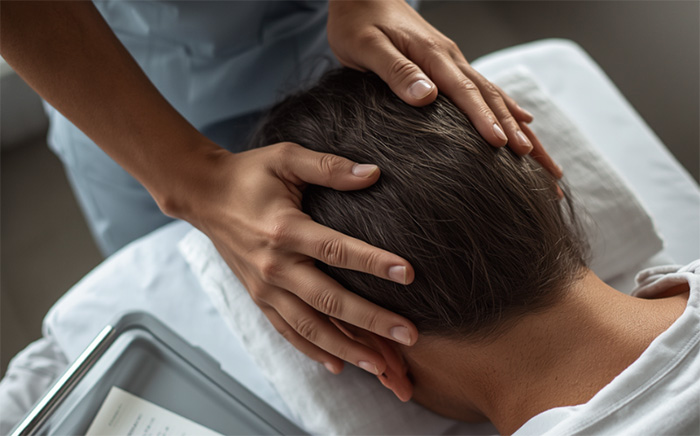
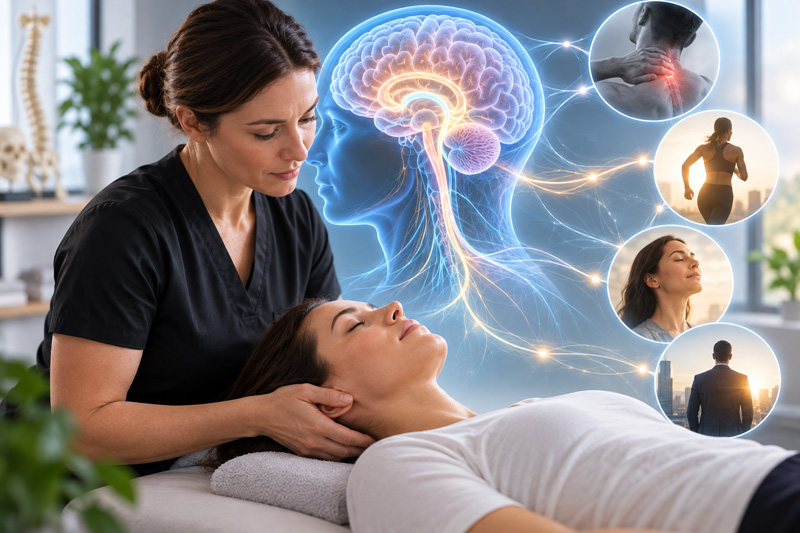
Close-up of a clinician's hands palpating the suboccipital and upper cervical region during a persistent post-concussion symptom assessment.

The Short Answer

Dynamic Brain Healing is a clinical fascia-release protocol that creates space in the cranium and along the fascial system so cerebrospinal fluid and lymphatic fluid can move freely — restoring the brain’s own capacity to heal, regulate, and perform. It was developed by Simone Fortier, founder of the Fascia Training Institute, and is used to address concussion symptoms, chronic head injury, pressure and fullness in the head, tinnitus, migraines, stroke recovery, neurodegenerative conditions such as Parkinson’s and Multiple Sclerosis, chronic pain that originates in the brain and nervous system rather than the joints or muscles, and the nervous-system dysregulation behind ADHD, chronic stress, and burnout. It is not a relaxation technique. It is a systems intervention.

Why This Question Keeps Coming Up

Patients ask what Dynamic Brain Healing is because their intake forms don’t answer it. Practitioners ask because they’ve been taught fascia work and craniosacral work as separate disciplines, and nobody has shown them how the two connect to the fluid system that actually determines whether the brain recovers. Both questions have the same answer, because Dynamic Brain Healing was never built as a technique. It was built as a system correction.
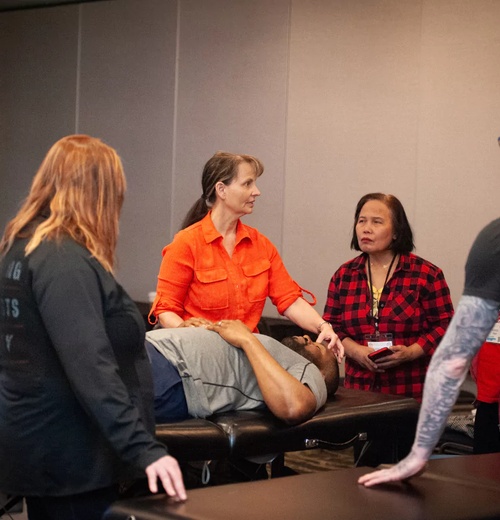
Clinician performing a precise cranial and upper cervical spine assessment on a seated patient in a treatment room, illustrating hands-on evaluation for persistent post-concussion symptoms.

The Problem With How Brain Recovery Is Usually Treated

Traditional cranial sacral work treats the skull as a container to be gently mobilized. It is not wrong — it is incomplete. Mobilizing the cranium does nothing if the fascia surrounding it, and running through the rest of the body, is restricted. Fascia is continuous. It wraps every muscle, organ, nerve, and vessel in a single connected sheet from the base of the skull to the soles of the feet. When that sheet is under chronic tension — from injury, trauma, poor posture, or a nervous system stuck in fight-or-flight — it does not release just because the cranium was asked to. This is why so many patients report the same pattern: temporary relief from cranial work, followed by a return of symptoms. The technique addressed a location. It did not address the system. What you are feeling — the fog, the headaches, the sleep that doesn’t restore you — is the output. Restriction is the cause. Treating the output without correcting the restriction is why recovery stalls.

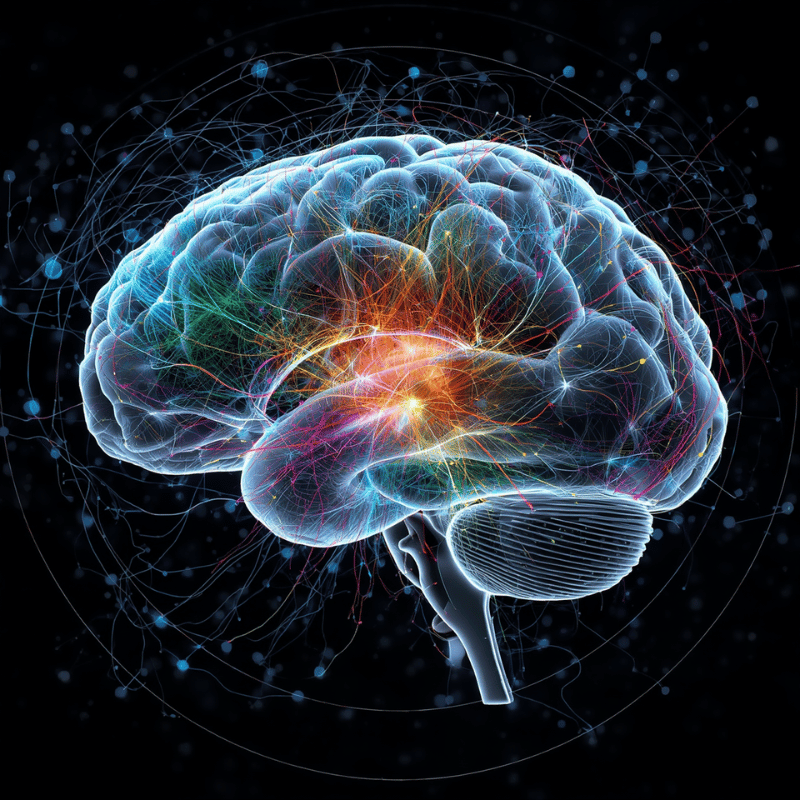
Two fluid systems govern brain health, and both depend on unrestricted fascia to function. Cerebrospinal fluid (CSF) bathes the brain and spinal cord, cushioning tissue and clearing metabolic waste through what researchers call the glymphatic system — a network driven by astrocyte cells and regulated by posture, respiration, and pressure. Emerging research on this system, including 2025 findings published by researchers Habliz and Nedergaard in the Journal of Clinical Investigation, has shown that when clearance pathways are obstructed — for example, at the cervical lymph nodes — the brain reroutes fluid through alternate channels, and does so at a physiological cost: increased neuroinflammation. Fascia is the tissue that either supports that flow or blocks it. Research into fascia’s role as a sensory and communication organ — work associated with researchers including Dr. Robert Schleip — has established that fascia is richly innervated, capable of independent contraction, and directly connected to the autonomic nervous system. It is not inert packaging around your muscles. It is a fluid highway and a sensory organ operating at the same time. Put the two together, and the mechanism becomes clear: restricted fascia creates bottlenecks in the exact channels the brain depends on to clear waste and receive nourishment.

Cranial work alone cannot correct this, because the restriction rarely stays in the cranium. It lives in the neck, the chest, the diaphragm, the pelvis — anywhere the nervous system has stored a pattern of guarding. This is the gap no one is addressing in standard concussion, headache, or stress-recovery protocols. 
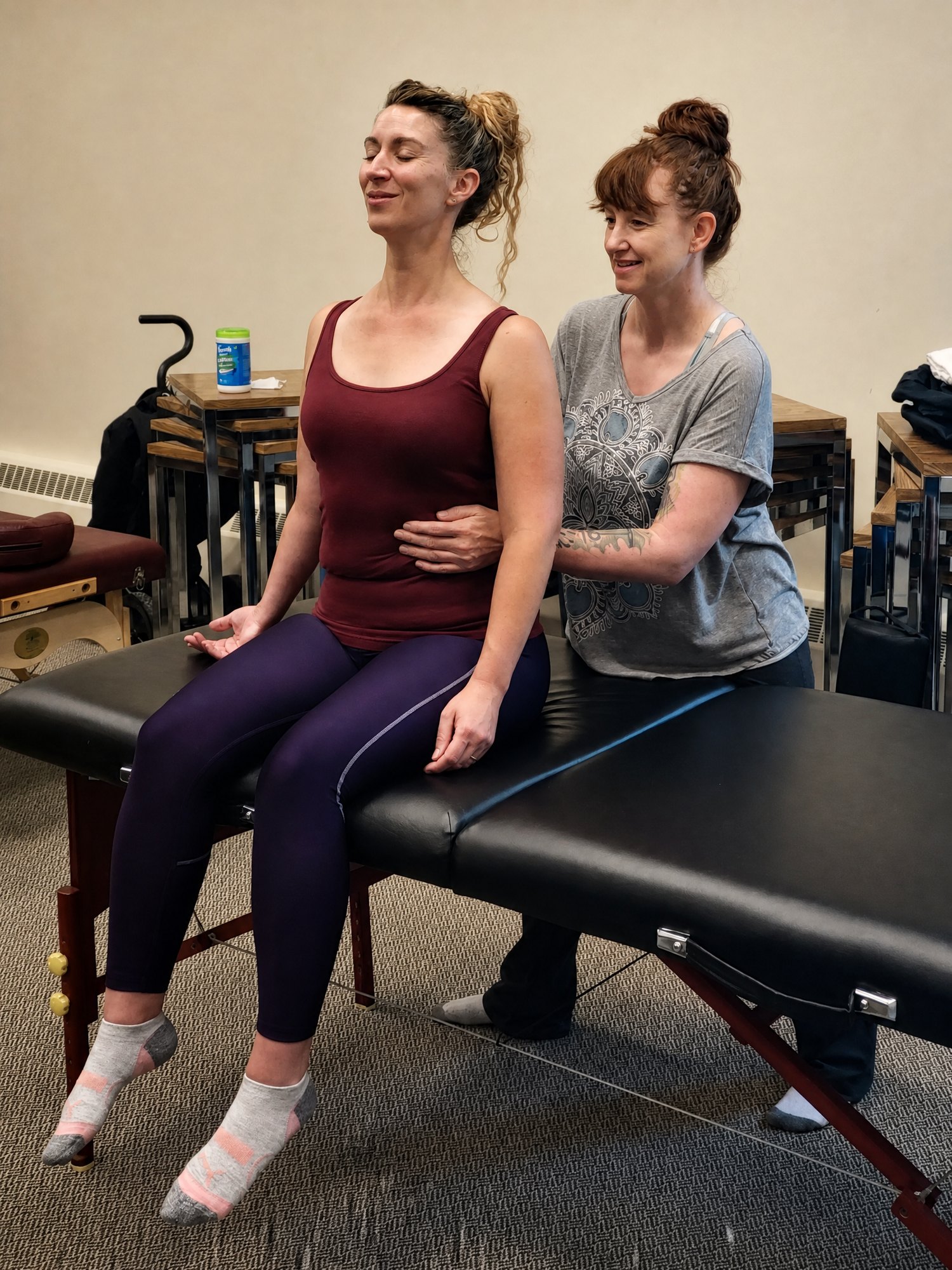
Practitioner supporting a seated client during upper-body movement work.

This is also why pressure and fullness in the head, and pulse-synchronous tinnitus, so often trace back to fluid dynamics rather than the ear itself. Clinical research published in 2019 identified elevated cerebrospinal fluid pressure as a driver of pulse-synchronous tinnitus — the type of tinnitus that pulses in rhythm with the heartbeat. When fascial restriction is limiting how CSF moves and equalizes, the pressure symptoms a patient feels as head fullness or tinnitus are consistent with exactly the bottleneck Dynamic Brain Healing is designed to release.

What Dynamic Brain Healing Actually Does

Dynamic Brain Healing is a sequenced clinical protocol, not a single maneuver. In practice, it works through four connected actions:
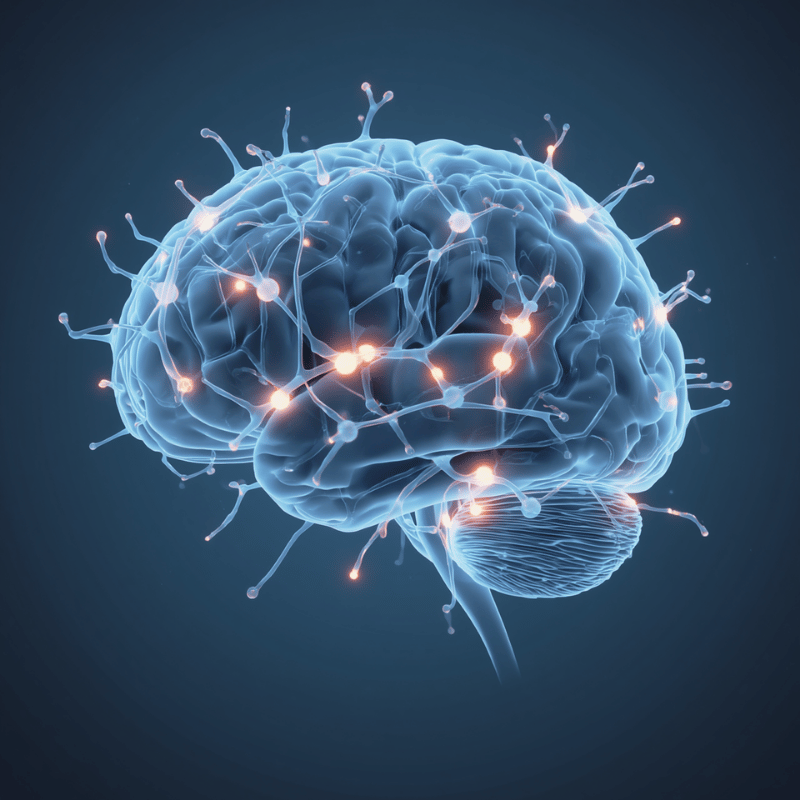
Creates Space in the Cranium
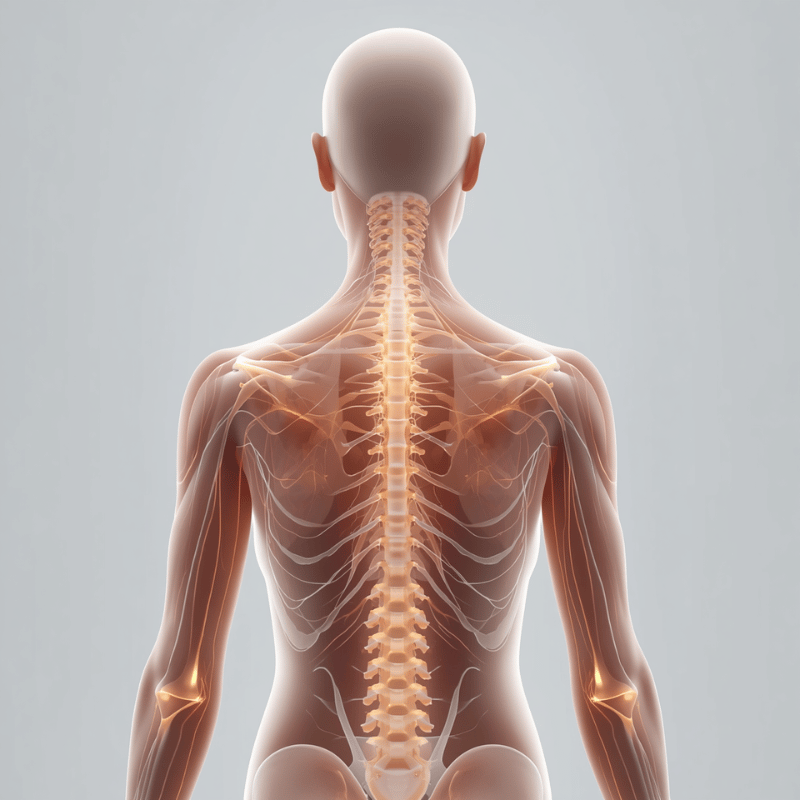
Gentle, sustained fascial engagement — never forceful manipulation — releases restriction at the cranial base and sutures, giving cerebrospinal fluid room to move.
Fascia sensory system and nervous system communication

Releases the Fascial System as a Whole

Because fascia is continuous, the protocol addresses the lymphatic and fascial restrictions throughout the body that are feeding tension back into the cranium — the reason gains from cranial-only work don’t hold.

Downregulates the Nervous System

Chronic head injury, unresolved trauma, and prolonged high-performance stress keep the nervous system locked in fight, flight, or freeze. Dynamic Brain Healing engages the vagus nerve and parasympathetic pathways directly, shifting the body out of defense and into repair.

Supports Neuroplastic Recovery

With fluid flow restored and the nervous system regulated, the brain rebuilds neural pathways, clears inflammation, and stabilizes function — supported, when appropriate, by a Brain Health Assessment and Brain Nutrition Program.
This is the distinction that matters: you do not force a locked system open. You create the conditions under which it releases on its own. That is what separates a system correction from a technique.

Process icon set — approved line icons pending
Who Dynamic Brain Healing Is For

The protocol’s gentleness is what allows its scope. Because it works through the fascia rather than against it, it is applied across a wider range of patients and conditions than most manual therapies can safely reach — including infants who may have experienced birth trauma, and children, alongside adults. Conditions and patterns commonly addressed include:

  • Concussion symptoms and persistent post-concussion syndrome
  • Head injuries and traumatic brain injury recovery
  • Pressure and fullness in the head
  • Tinnitus, particularly pulse-synchronous or pressure-related tinnitus
  • Migraines and chronic headache
  • Stroke recovery
  • Neurodegenerative conditions, including Parkinson’s disease and Multiple Sclerosis
  • Chronic pain that originates in the brain and nervous system, not just the site where it’s felt
  • ADHD and executive-function breakdown
  • Chronic stress, burnout, and nervous-system dysregulation in high-performing adults
  • Sleep disruption tied to an overactive nervous system
  • Birth trauma in infants and developmental patterns in children
If the presenting complaint is a symptom — pain, fog, poor sleep, breakdown under pressure — and the standard interventions have plateaued, the underlying question is almost always the same: is the fascia allowing the fluid to move, or is it not.

The Evidence Behind the Method

Dynamic Brain Healing is the product of a specific clinical lineage, not a repackaged wellness trend.

30+ Years

Simone Fortier’s fascia-based clinical work spans more than three decades, refined into the Dynamic Brain Healing protocol over more than ten years of direct clinical application.

Up to 60% in Two Sessions

Reported clinical improvement of up to 60% in as few as two sessions, with broader outcomes showing resolution of persistent post-concussion symptoms.

Published Research

Findings connected to this clinical framework have been published in the Journal of Bodywork and Movement Therapies.

Elite-Level Application

The underlying Neurofascial Adaptation Method has been used in partnership with NFL, NHL, NCAA Elite Eight, and Olympic-level athletic programs.

Integrated Care

Combined with a Brain Health Assessment and Brain Nutrition Program for structural, neurological, and biochemical recovery in one coordinated process.
Thirty years of clinical application is not a marketing claim. It is the reason the protocol has been refined to the point of being teachable, repeatable, and measurable — the three requirements for anything to be called a system rather than a technique.

For Patients: What to Expect

You do not need a diagnosis to start. You need a system that has stopped healing on its own and a practitioner trained to find where the restriction actually lives — which is often not where the symptom shows up. Sessions are gentle by design. There is no forceful cranial manipulation, no aggressive soft-tissue work, and no requirement that you tolerate pain to get results. The protocol is built to be safe across the full range of patients it serves — from infants recovering from birth trauma to elite athletes returning from concussion to executives whose nervous systems have been running in overdrive for years. What changes first is usually not the primary complaint. It’s sleep. Then clarity. Then the symptom you came in for.
For Practitioners: Why This Course, and Why Now

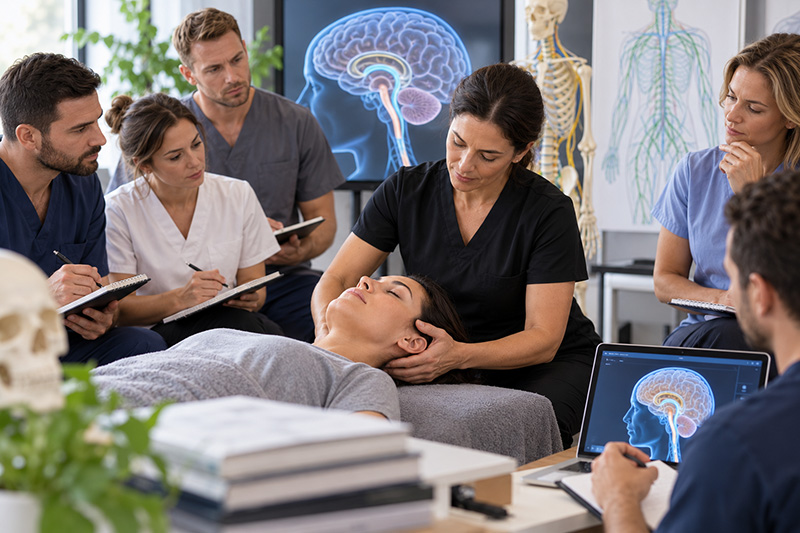
If you are asking what Dynamic Brain Healing is because patients are asking you — you already know the market has moved past generic craniosacral work. Patients are researching fascia’s role in brain fluid dynamics before they walk into your clinic. The practitioners who can explain the mechanism, and deliver the protocol, are the ones building waitlists. The Dynamic Brain Healing course does not teach a technique to add to your existing toolkit. It teaches the system underneath it: the lymphatic, fascial, and nervous-system relationships that determine whether any intervention you already offer actually holds. What the training covers:

  • The full Brain Health Assessment Protocol
  • The 9 Dynamic Brain Healing protocols for creating space in the cranium and releasing the fascial system as a whole
  • How to shift a patient’s nervous system out of fight-or-flight
  • Corrective strategies for brain retraining and neuroplastic support
  • Brain nutrition and prevention strategies
  • The business framework for pricing, marketing, and building a Dynamic Brain Healing practice

Built for chiropractors, physical therapists, athletic trainers, osteopaths, naturopaths, manual therapists, and strength coaches. Next Level 1 live training: October 9–11, 2026, Phoenix, Arizona.

The Bottom Line


Dynamic Brain Healing is not an upgraded relaxation technique, and it is not cranial sacral therapy with a new name. It is a system correction — one that recognizes what most brain-recovery approaches miss: the fluid cannot flow unless the fascia is released. Address the restriction, and the brain does what it was already built to do. When the system changes, everything changes.

Frequently Asked Questions

What is Dynamic Brain Healing?
Dynamic Brain Healing is a clinical fascia-release protocol developed by Simone Fortier that creates space in the cranium and releases restriction throughout the fascial system, restoring the flow of cerebrospinal and lymphatic fluid the brain depends on to heal. It is used to address concussion symptoms, chronic head injury, pressure and fullness in the head, tinnitus, migraines, stroke recovery, neurodegenerative conditions, chronic pain that originates in the brain, and nervous-system dysregulation.
How is Dynamic Brain Healing different from craniosacral therapy?
Craniosacral therapy focuses on gently mobilizing the cranium itself. Dynamic Brain Healing addresses the entire connected fascial system — recognizing that restriction anywhere along that system can block the same fluid pathways, which is why cranial work alone often produces results that don’t hold.
Is Dynamic Brain Healing safe for children and infants?
Yes. The protocol uses gentle, sustained fascial engagement rather than forceful manipulation, which is why it is applied safely across all ages — including infants who may have experienced birth trauma and children with developmental patterns tied to nervous-system dysregulation.
How many sessions does Dynamic Brain Healing take to show results?
Clinical outcomes have shown improvement of up to 60% in as few as two sessions, with many cases of persistent post-concussion symptoms and chronic pain resolving within two to five treatments.
What conditions does Dynamic Brain Healing address?
Concussion symptoms and post-concussion syndrome, traumatic brain injury, pressure and fullness in the head, tinnitus, migraines and chronic headache, stroke recovery, Parkinson’s disease, Multiple Sclerosis, chronic pain that originates in the brain and nervous system, ADHD, chronic stress and burnout, sleep disruption, and birth trauma.
Can Dynamic Brain Healing help with tinnitus or pressure in the head?
Yes. Research has linked pulse-synchronous tinnitus and head-pressure symptoms to elevated cerebrospinal fluid pressure. Because Dynamic Brain Healing works directly on the fascial restrictions that limit how CSF moves and equalizes, it addresses the underlying pressure dynamics behind these symptoms rather than treating the ear or head in isolation.
Can Dynamic Brain Healing help with chronic pain that started after a brain injury or neurological event?
Yes. Chronic pain that originates in the brain and nervous system — rather than in a joint or muscle — often persists because the nervous system is locked in a sympathetic, guarded state. Dynamic Brain Healing addresses this directly by releasing fascial restriction and downregulating the nervous system so the brain can resume normal pain processing and recovery.
Can practitioners get trained and certified in Dynamic Brain Healing?
Yes. The Dynamic Brain Healing course is a two-part training — an online theory foundation followed by live, hands-on instruction in the 9 Dynamic Brain Healing protocols — open to chiropractors, physical therapists, athletic trainers, osteopaths, manual therapists, and other manual-therapy professionals. CE credits are available through several professional associations.

Ready to Change the System?

Book Your SessionEnroll in the Course