Why Fascia Doesn’t Respond to Deep Pressure (And What Works Instead)
An evidence-informed guide for practitioners based on modern fascia science, nervous system regulation, and clinical outcomes.
Why Deep Pressure Often Fails in Fascia Work
Many practitioners were trained to believe that more pressure equals better results.
If tissue doesn’t change, the answer is often assumed to be:
- go deeper
- work harder
- apply more force
Yet clinically, this approach frequently leads to:
- client guarding
- increased pain sensitivity
- short-lived results
- practitioner fatigue
When fascia does not respond to deep pressure, it is not because the tissue is “too dense.”
This is because the nervous system has shifted into a protective state.
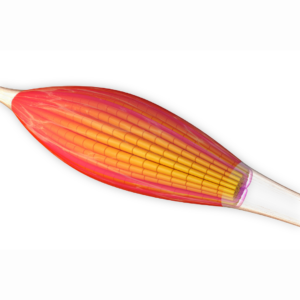
Fascia Is Not Muscle- And It Does Not Behave Like Muscle
Modern fascia research, including work by Dr. Robert Schleip, has shown that fascia is:
- richly innervated
- responsive to nervous system input
- capable of active tension through myofibroblasts
Unlike muscle fibers, fascia does not respond well to fast, forceful input.
Deep pressure is often interpreted by the brain as threat, especially in:
- chronic pain clients
- trauma-exposed nervous systems
- highly stressed individuals
When threat is perceived, the body responds predictably:
- fascial tone increases
- tissue stiffens
- pain sensitivity rises
This is not dysfunction.
It is protection.

The Nervous System–Fascia Connection
Fascia functions as a sensory and interoceptive organ.
It continuously communicates information about:
- pressure
- stretch
- safety
- load
When the nervous system is regulated, fascia adapts.
When the nervous system is dysregulated, fascia resists change.
This explains why:
- two practitioners using the same technique get different results
- deep pressure works for one client and fails for another
- force-based approaches plateau over time
The determining factor is state, not strength.

What Actually Works Instead of Deep Pressure
Slow, Sustained Input
Fascia responds best to:
- slower pacing
- sustained contact (30–120 seconds)
- gradual loading
This allows mechanoreceptors to signal safety rather than threat.
Hydration-Based Fascial Change
Fascia is a hydrated collagen matrix, not dry tissue.
Effective change occurs through:
- compression and decompression
- slow shear forces
- gentle oscillation
These inputs improve fluid dynamics, glide, and adaptability.
Nervous System Regulation First
Before fascia can release, the nervous system must downshift.
Clinical cues that support regulation include:
- predictable rhythm
- minimal verbal stimulation
- practitioner presence
- grounding contact
When regulation occurs, tissue change follows naturally.
Why Force Creates Short-Term Results (At Best)
Force can temporarily override protective responses.
But without regulation:
- tissue rebounds
- pain returns
- sensitivity increases
This is why many clients report:
“It felt better for a day… then it came back.”
Lasting change requires cooperation with the nervous system — not domination of tissue.

A Better Clinical Question
Instead of asking:
How deep do I need to go?
Ask:
Does this tissue feel safe enough to change?
This single shift transforms outcomes.
How This Changes Your Practice
Practitioners who move away from force-based approaches:
- get faster, longer-lasting results
- reduce client discomfort
- decrease practitioner burnout
- become known for skill rather than strength
Ready to Apply This Clinically?
If you want to learn how to work with fascia instead of against it, explore our professional training pathways:
- Fascia Foundations Course – Core principles every practitioner must master
- Upper & Lower Body Fascia Training – Immediate clinical application
- Dynamic Brain Healing – For practitioners ready to specialize
Explore Fascia Training Institute Courses
Frequently Asked Questions
Does deep pressure ever work?
It can temporarily override protective tone, but it does not create lasting fascial change without nervous system regulation.
Why do some clients tolerate deep work?
Individual nervous system thresholds vary. Tolerance does not equal effectiveness.
How long should I hold fascial contact?
Most fascial adaptation occurs within 30–120 seconds when safety and hydration are present.
Is lighter work always better?
Not necessarily. The key is appropriate load combined with safety, not force.