
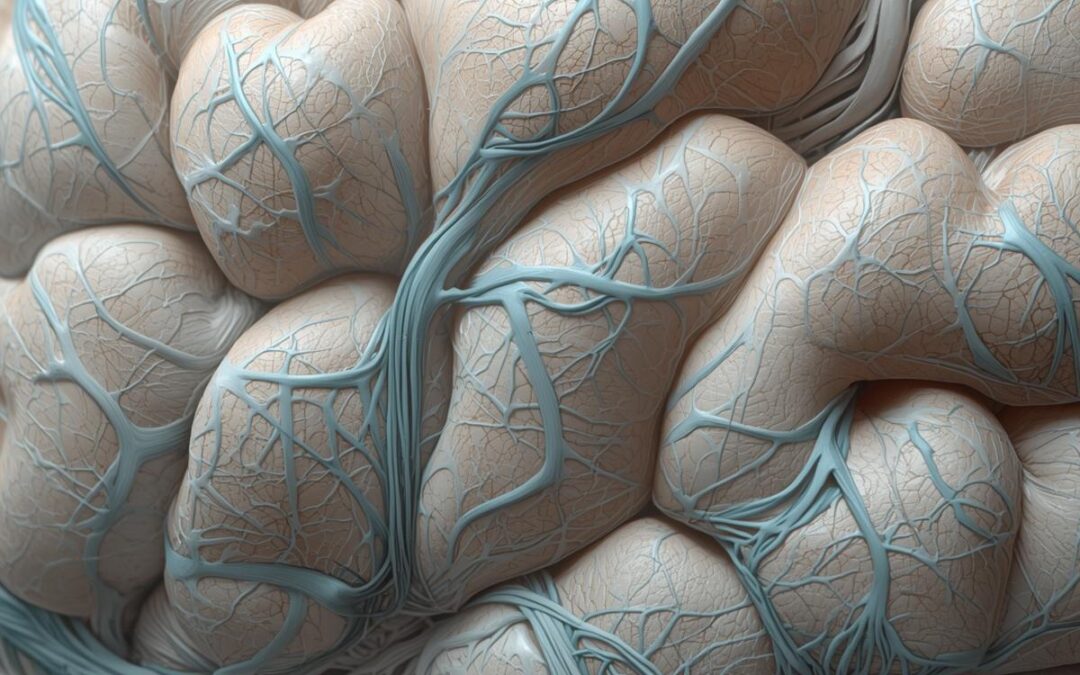
When Headaches Aren’t Just in the Brain — The Role of Fascia and Occipital Nerve Compression
For years, chronic headaches and migraines have been explained through brain-centered mechanisms: overactive pain pathways, central sensitization, or altered brainstem activity. However, new research suggests that something fascia practitioners have long suspected the root cause may not always be solely in the brain. It’s in the tissue surrounding the nerves.
The Fascial Entrapment of Nerves
The greater and lesser occipital nerves weave their way through layers of posterior cervical muscles and fascia at the base of the skull. When those tissues tighten, spasm, or thicken, they can compress the nerves, leading to constant sub-occipital and occipital pain
From here, the pain doesn’t stay local. Thanks to direct connections between extracranial and intracranial nerves, compression signals can radiate forward into trigeminal areas of the head — temples, forehead, even behind the eyes. Suddenly, what started in the fascia of the neck mimics a migraine: nausea, photophobia, and debilitating head pain.

Why Central Treatments Fail
This helps explain why standard “brain-directed” treatments, such as anti-seizure drugs, antidepressants, or behavioral therapy, often fail for those with unremitting head and neck pain. The problem isn’t solely central. It’s peripheral, fascial, and mechanical. That’s why occipital nerve blocks, trigger point injections, or surgical decompression sometimes bring relief where pills cannot.
The Fascia Connection
Research suggests that when fascia entraps a nerve, it doesn’t just create local irritation, it can spark neuroinflammation, distort sensory input, and perpetuate chronic pain cycles.
For practitioners trained in fascial release, addressing fascial restrictions in the suboccipital region can relieve mechanical compression, reduce inflammation, and restore nerve mobility. In practice, clients often report reduced headaches, improved range of motion, and a dramatic lift in quality of life.
Beyond Symptom Management
The big takeaway? Chronic migraine and tension headaches may not always be “mysteries of the brain.” Sometimes, they are stories written in fascia — stories we have the tools to rewrite.