


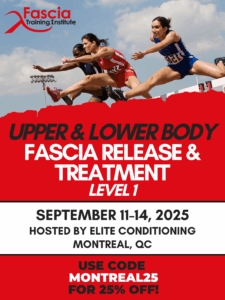
Fascial dysfunction is an often-overlooked contributor to chronic musculoskeletal pain, restricted mobility, and delayed recovery.
The Fascia Training Institute’s Upper & Lower Body Level 1 Course provides evidence-informed, hands-on techniques for identifying and releasing fascial restrictions.
This paper outlines the clinical framework and potential outcomes associated with the integration of these protocols into therapeutic practice, drawing from case reports and practitioner testimonials to support efficacy.
Introduction
Fascia is increasingly recognized as a key player in biomechanical function, proprioception, and neuromuscular regulation. Despite its critical role in movement and pain modulation, therapeutic interventions targeting fascial health remain underutilized in many clinical settings. Addressing fascial lines of tension through structured manual therapy protocols may significantly enhance functional outcomes and client satisfaction.
Course Overview and Methodology
The Upper & Lower Body Level 1 Fascia Training Course, offered by the Fascia Training Institute, is a four-day, 28-hour in-person intensive that teaches 14 fascial release protocols (7 upper body, 7 lower body). These are designed to balance posture, reduce pain, increase range of motion, and improve neurological coordination.
Key clinical features include:
- Postural assessment tied to fascial line integrity
- Fascia-specific palpation and treatment techniques
- Vagal nerve and brain-fascia connections
- Performance enhancement strategies for athletes and post-injury populations
The course is structured around a blend of lecture, demonstration, hands-on practice, and immediate feedback, aligning with adult learning principles and continuing education standards.
Clinical Significance and Impact
Dr. Lisa, PhD, an experienced clinician, reflects on the value of the training:
“I’ve taken many continuing education courses, but this one has by far had the greatest impact on my patients. The fascial protocols produce immediate changes in performance and pain levels. It’s changed the way I practice.”
The techniques taught are especially effective in clients with:
- Persistent myofascial pain
- Post-surgical or post-injury scar tissue adhesions
- Chronic postural dysfunction
- Stress-related tension impacting vagus nerve regulation
These results support existing literature that suggests fascial densification impairs mobility and proprioception and may contribute to chronic stress states by limiting cerebrospinal fluid flow and compressing neural structures.
Discussion
As manual therapists continue to seek integrative, hands-on solutions to complex neuromuscular issues, fascia-based interventions represent a promising frontier.
Incorporating fascial release into standard treatment protocols not only improves biomechanical efficiency but also facilitates neurological reset and self-regulation.
The bidirectional relationship between fascia and the autonomic nervous system is increasingly relevant, particularly in populations with high-stress loads or performance demands.
This training is particularly suitable for:
- Athletic therapists and physiotherapists working with elite or injured athletes
- Massage therapists seeking advanced techniques for chronic pain
- Chiropractors and osteopaths focused on structural integration
Conclusion
The Upper & Lower Body Level 1 Fascia Course provides practitioners with a reproducible, clinically effective method for treating fascial restrictions.
As clinical demand grows for outcome-driven, holistic care, fascia-based therapy will likely become an essential part of therapeutic education and application.
Course Details
Location: Elite Conditioning, Montreal, QC
Dates: Sept 11-14, 2025
Duration: 28 hours (4 days)
CEU Credits: Available through professional organizations
Tuition: $2,495 USD + HST
Website: https://www.fasciatraininginstitute.com/practitioners/fascia-training-release-of-upper-lower-body-montreal/