

How the Grinch Stole Tension
Emotional Armor, Fascia & the Science of Safety
His heart was “two sizes too small.”
He avoided connection.
He braced against joy.
He lived at high altitude in a cold cave — emotionally and anatomically.
No wonder the Grinch was tight.
Not metaphorically.
Biologically.
Because everything the Grinch represents is exactly what the nervous system does to the fascial system when it feels unsafe:
- it stiffens
- it contracts
- it disconnects
- it protects
- it restricts movement
The Grinch was not a villain.
He was in a chronic protective pattern.
And so are many people who feel tight, stressed, overwhelmed, frozen, or emotionally armored.
Today, we explore how safety melts fascia and how the Grinch’s transformation is surprisingly accurate fascia science.
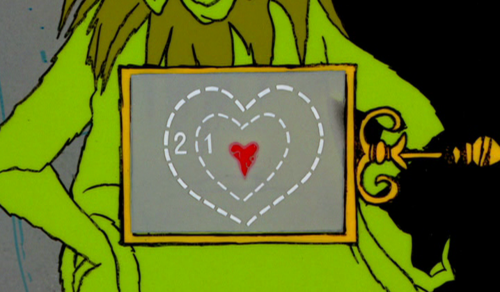
Emotional Armor = Fascial Armor
The Grinch wasn’t angry.
He was bracing.
The same thing happens in fascia:
When the brain senses threat — physical, emotional, relational, environmental — fascia stiffens to protect you.
This is the body’s biological armor, and it shows up as:
- frozen shoulders
- tight diaphragm
- immobile ribs
- locked pelvis
- restricted breathing
- jaw tension
- neck rigidity
- poor glide
People don’t stiffen because they’re weak or inflexible.
They stiffen because their nervous system is guarding.
Just like the Grinch guarded his heart.

Safety Melts Fascia (And Hearts)
When Cindy Lou Who meets the Grinch, something shifts.
She approaches with:
- softness
- curiosity
- kindness
- zero demand
- zero force
This mirrors what works in fascia treatment.
Fascia does not respond to force.
Fascia responds to safety.
When the nervous system detects:
✔ warmth
✔ predictability
✔ gentle movement
✔ soft input
✔ emotional connection
✔ low threat
✔ trust
it allows fascia to:
✔ hydrate
✔ glide
✔ soften
✔ reorganize
✔ release stored tension
This is the same mechanism behind many emotional releases in bodywork sessions.
Fascia holds patterns until safety allows release.

Why “Stretching Harder” Doesn’t Work
If you tried to force the Grinch into Christmas spirit, he’d resist.
That’s fascia too.
Many people force their bodies with:
- aggressive stretching
- deep pressure
- high-intensity load
- pushing into pain
- rolling until bruised
- “breaking up” tissue
All of this increases threat.
Threat increases bracing.
Bracing increases density.
And the fascia becomes even tighter.
Fascia is not a muscle.
It is a sensing, adapting, intelligent system.
It softens through ease, not aggression.
(Something we teach deeply in Fascia Release Dynamic Stretching.)
The Grinch’s Moment of Transformation = Vagal Release
The most iconic scene in the movie is when the Grinch’s heart grows three sizes.
Anatomically, this parallels a vagal shift — when the nervous system transitions from protective sympathetic tone into parasympathetic regulation.
The signs in real humans look like:
- deeper breathing
- softening of the belly
- shoulders dropping
- sighing
- emotional release
- warmth spreading
- tears (from relief, not pain)
- spontaneous movement
This is the “my fascia finally let go” moment every practitioner recognizes.
We call it a NeuroFascial Release response.
The Grinch calls it a miracle.
We call it anatomy.

What Tight People Really Need
People who feel chronically tight often think:
“I need to stretch more.”
“I need to strengthen.”
“I need deeper pressure.”
But what they really need is:
- safety
- breath
- nervous system downshift
- gentle load
- hydration
- connection
- validation
- lower threat
Tight tissue is rarely about flexibility.
It’s about emotional protection.
This is why we say:
Fascia is emotional.
It listens.
It responds.
It protects.
And it lets go when it feels safe.
How to Melt Your Inner Grinch (Fascially Speaking)
Here’s what melts fascial tension:
- Slow, oscillatory movement
This reduces threat and increases hydration.
- Breath-led mobility
The diaphragm is the emotional switchboard.
- Gentle compression and decompression
Opens layers without forcing them.
- Co-regulation
Therapeutic presence changes tissue behavior.
- Playfulness
Play signals to the brain, “We are safe.”
No wonder Whoville healed the Grinch — that town is a co-regulation lab.
Recommended Tools for “De-Grinching” Your Fascia
Perfect for melting protective fascia patterns without force.
Understand how emotional overwhelm and ADHD patterns contribute to bracing.
Learn why fascia changes ONLY when the nervous system feels safe.
Become the practitioner who melts protective patterns with precision.