


Introduction to Fascial Health in Combat Sports
In the demanding world of mixed martial arts (MMA), athletes continually push their bodies to the limits, often resulting in injuries and concussions.
Understanding the role of fascia, the connective tissue that envelops muscles and organs, is crucial for recovery and performance.
At the Fascia Training Institute, we focus on fascia treatment and release as key components in speeding recovery and preventing future injuries.
The Fascia’s Role in Injury and Recovery
Fascia is more than just a passive structure; it’s a dynamic system that can impact pain, mobility, and recovery. In MMA, where athletes experience intense physical exertion and impacts, the fascia can become strained or damaged. This can lead to decreased motion range, pain, and an increased risk of further injury.

How Fascia Treatment Aids Recovery
- Reduces Pain: Fascial release techniques help alleviate tension and reduce pain by restoring the natural alignment of the fascia. This is particularly important after an injury, as misaligned fascia can contribute to continuous pain and discomfort.
- Improves Flexibility and Mobility: Regular fascia-focused therapy increases elasticity and flexibility in the connective tissue. For MMA fighters, this means enhanced mobility and a lower chance of injury during high-stress maneuvers.
- Speeds Up Recovery: Fascia release improves blood flow and lymphatic circulation, which are crucial for healing. Enhanced circulation helps remove waste products and brings nutrients to damaged tissues, speeding up recovery.
- Prevents Future Injuries: Maintaining fascial health can improve athletes’ overall structural integrity. Healthy fascia absorbs and distributes physical stress more effectively, reducing the load on muscles and joints during intense physical activities.
Concussion Management with Fascial Techniques
Concussions are a significant concern in combat sports. While fascia treatment may not a cure for concussions, it plays a supportive role in the overall recovery strategy:
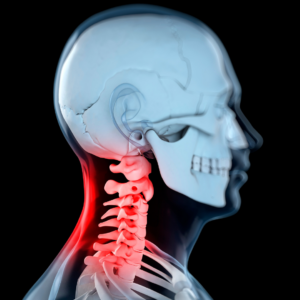
- Supports Neck and Head Alignment: Proper fascial function is essential for maintaining alignment and tension in the neck and head, which can be beneficial post-concussion.
- Reduces Secondary Symptoms: Fascial release can alleviate secondary symptoms related to concussions, such as headaches and stiffness, by ensuring that fascial tissues are not contributing to neural tension or vascular restrictions.
At the Fascia Training Institute, we’ve seen remarkable recovery stories. Fighters who incorporate regular fascia treatment into their recovery protocol often report faster return times to training, reduced pain levels, and increased performance longevity.
A Holistic Approach to Recovery
Incorporating fascia treatment and release into recovery protocols offers a holistic approach to healing and performance enhancement in MMA. At the Fascia Training Institute, we are committed to providing cutting-edge treatments and education to help fighters recover, perform, and excel. For those looking to deepen their understanding of how fascial health impacts their training and recovery, our experts are here to guide you through integrating these practices into your routine.