

You stretch. You meditate—you foam roll. You take the meds.
But the pain returns—maybe in your neck, jaw, shoulders, hips.
And if you live with ADHD or chronic stress, it’s probably worse.
Here’s the breakthrough most doctors and therapists miss:
Your fascia, brain, and neurotransmitters are talking. And if dopamine isn’t in balance, your fascia won’t heal.

The Brain-Fascia-Pain Triangle
Let’s start with fascia. The connective tissue web surrounds every muscle, nerve, and organ. Healthy fascia is soft, gliding, and responsive. But under chronic stress, trauma, or neurochemical imbalance, fascia becomes rigid, sticky, and painful.
Now enter the brain.
If your dopamine levels are low, as they often are in ADHD, trauma, and burnout, the body can’t fully regulate:
- Muscle tone
- Movement patterns
- Inflammation
- Pain thresholds
New research shows that dopamine dysfunction can create a feedback loop of physical tension and emotional stress, trapping you in chronic pain and fatigue, even if you’re doing “all the right things.”
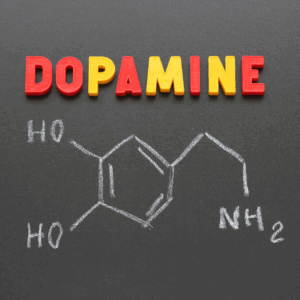
Reward Deficiency = Fascia Dysfunction
The term Reward Deficiency Syndrome (RDS) describes a dopamine-depleted brain that constantly seeks stimulation but struggles with satisfaction. For people with ADHD, this isn’t just about focus—it’s about how your body feels every day.
Dopamine is more than a “feel good” molecule—it plays a key role in:
- Muscle coordination
- Movement fluidity
- Pain modulation
- Recovery and cellular repair
When dopamine is low, fascia becomes dense, dehydrated, and inflamed. This sets the stage for:
- TMJ pain
- Migraines
- Neck and shoulder tightness
- Fibromyalgia-like tenderness
- Jaw clenching and posture collapse

Why Movement Isn’t Enough
You can stretch and strengthen all day. But without restoring brain chemistry, the fascia snaps back into tension.
That’s why many ADHD adults who struggle with emotional regulation also live with:
- Hypermobile joints but stiff fascia
- Poor posture despite yoga or Pilates
- Chronic pain that flares under stress
It’s not in your head. It’s in your neurochemistry.
And the fix might be more nutrient than movement.

The Dopamine-Fascia Reset
Here’s where neuronutrient amino-acid therapy comes in. The Brain Nutrition program is clinicall proven to support dopamine production, reduce cortisol, and help the body come out of fight-or-flight mode.
When paired with fascia release techniques (like my Dynamic Brain Healing method), clients often report:
- Reduced pain and tension in 1–2 sessions
- Clearer thinking and deeper sleep
- Improved posture without effort
- Less “mental weight” and body inflammation
Because when the brain feels safe and resourced, the fascia lets go.
And real healing begins.
Why This Matters (Especially for Women)
If you’re a woman with ADHD, chronic pain, or anxiety, you may be stuck in what I call functional freeze—where you appear high-functioning but feel exhausted and dysregulated inside. That’s not a mindset issue—it’s a brain-fascia loop crying out for nourishment, not more pushing.
Ready to feel better in your body and brain?
Take the Brain Health Assessment and discover how your dopamine, fascia, and pain are connected and how you can reset the pattern.