
Cortisol and Concussion: The Stress Hormone Nobody Is Measuring in Post-Concussion Recovery
Cortisol and concussion recovery are more deeply connected than most sports medicine programmes currently recognise — and the gap between what the science shows and what practitioners are measuring is producing athletes who are cleared on paper and broken in biology.
I have worked with athletes who passed every standard return-to-play assessment. Symptom-free. Cognitively clear by standard testing. Physically mobile. Back on the field within the protocol window. Weeks later, they were back in my clinic. Not with a new injury. With the same patterns — fatigue that sleep did not fix, emotional reactivity that came from nowhere, cognitive fog that descended under load, sleep that felt unrepairing regardless of duration.
Every time we measured their cortisol rhythm, the arc was broken. The concussion had resolved on paper. The HPA axis had not. And nobody had looked.
| The concussion cleared. The cortisol did not. These are not the same recovery event — and treating them as the same produces athletes who are medically cleared and biologically compromised. |

Cortisol Is Not Simply a Stress Hormone
The standard clinical understanding of cortisol — as the body’s primary stress response molecule, the output of the fight-or-flight cascade — is accurate but profoundly incomplete in the context of athletic recovery. Cortisol is a master regulator operating across multiple systems simultaneously, and every one of those systems is directly relevant to post-concussion recovery.
Cortisol governs the circadian rhythm that determines when the body is physiologically ready to perform, recover, and repair. It modulates neuroinflammation with both protective and destructive effects depending on timing, amplitude, and duration of exposure. It regulates blood-brain barrier permeability — the structural defence that determines what enters and exits the neurological environment during injury and recovery. It directly influences hippocampal function, memory consolidation, and emotional regulation through glucocorticoid receptor signalling. It controls energy metabolism in every cell, including neurons under the metabolic stress that follows concussion. And it modulates the microglial activity that drives secondary brain injury in the days and weeks following the initial trauma.
In over a decade of clinical practice working with contact sport athletes, this pattern presents with consistent precision: cortisol is not one problem. It is the wrong amount at the wrong time creating cascading problems across every system the athlete needs to recover.
What Concussion Does to the HPA Axis
Concussion activates the HPA axis immediately. Within hours of injury, serum cortisol rises — an acute protective response with immunosuppressive and anti-inflammatory effects that is appropriate in the short term. The problem begins as secondary brain injury progresses over the following days to weeks.
Research published in Frontiers in Cellular Neuroscience in 2024 demonstrates that as secondary injury processes unfold, cortisol continues to build, glucocorticoid receptors become saturated, and the HPA axis shifts toward dysregulation. The body’s feedback system — which should terminate the stress response once the acute threat has passed — begins to malfunction. The circadian rhythm of cortisol secretion loses its architecture. Clinical evidence from the same research confirms that this loss of circadian cortisol rhythm in TBI survivors can persist for weeks to years after injury.
The practical consequences for the athlete are specific and severe, and they are routinely misattributed. Morning fatigue that does not resolve with rest is a blunted or absent Cortisol Awakening Response — the sharp morning spike that initiates the biological day is failing to reach its normal amplitude. Sleep disruption is cortisol remaining elevated in the evening hours when it should be at its nadir. Brain fog is hippocampal function impaired by dysregulated glucocorticoid signalling. Emotional instability is the prefrontal-limbic relationship disrupted by cortisol rhythm loss. Slowed physical recovery is energy metabolism, tissue repair, and immune regulation all compromised by inappropriate cortisol signalling.
These are the symptoms sports medicine programmes label persistent post-concussion syndrome. In many cases, they are HPA axis dysfunction presenting as a concussion problem. The distinction determines whether the treatment works.
The Pre-Injury Cortisol State Changes Everything
One of the most clinically significant findings in current research is that an athlete’s cortisol status before the concussion substantially determines how the HPA axis responds to injury. Athletes who were already under chronic stress — elevated training loads, competitive pressure, inadequate recovery, poor sleep architecture — enter the injury with an HPA axis that is already compromised.
Research published in MDPI Biomedicines in 2022 demonstrates that athletes with stressful events prior to brain injury showed significantly decreased acute cortisol levels during the acute TBI phase, indicating pre-existing HPA dysfunction that defeated the early protective anti-inflammatory actions of cortisol. These athletes demonstrated impaired stress reactivity at the most critical moment of the injury response.
Dr. Myers sees this pattern repeatedly in practice. The athlete who pushes hardest, recovers least, and presents with the most chronic fatigue before the season begins is the same athlete who struggles most after a concussion. The common denominator is HPA axis function — and it is almost never assessed before the injury occurs, let alone after.
The Cortisol-Fascia Connection
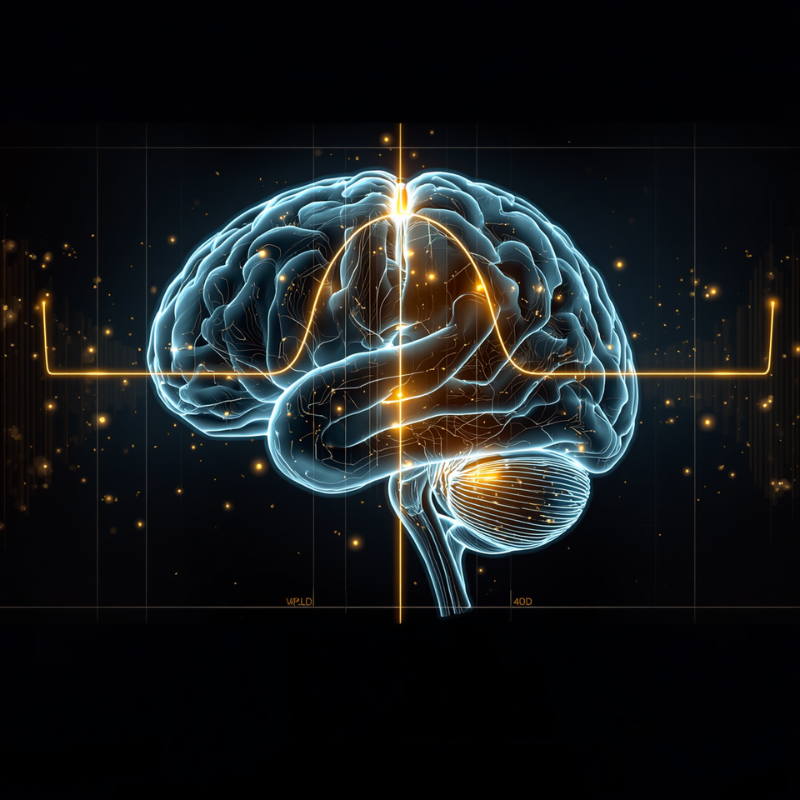
At the Fascia Training Institute, cortisol is not understood as an isolated neuroendocrine variable. It is a central regulator of the Brain-Fascia System — the integrated relationship between neurological function, connective tissue physiology, and neuromuscular performance.
Chronic cortisol elevation does not remain contained within the hormonal system. Research published in Frontiers in Bioscience in 2020 demonstrates that HPA axis activation directly impacts fascial fibroblast activity, ground substance hydration, and connective tissue remodelling. Elevated cortisol inhibits fibroblast function, reduces hyaluronic acid production, and promotes fascial dehydration — creating the tissue stiffness and restriction patterns that athletes and clinicians attribute to tightness or guarding, but which are in fact expressions of systemic stress physiology driven by an unrecalibrated HPA axis.
This means that an athlete whose concussion has apparently resolved by standard assessment may still be presenting with fascial stiffness driven by chronic low-grade HPA activation, neuromuscular coordination deficits from disrupted cortisol-hippocampal signalling, impaired sleep architecture preventing overnight tissue repair, and emotional reactivity and reduced stress tolerance from prefrontal-limbic dysregulation. These are not separate problems. They are one problem — HPA axis dysfunction expressed across the Brain-Fascia System.

What Sports Medicine Programmes Should Be Measuring
The clinical integration required is not complex. Salivary cortisol rhythm — measured at waking, 30 minutes post-waking, afternoon, and evening — reveals the full circadian arc and identifies both the blunted morning response and the failed evening decline that are characteristic of post-concussion HPA dysregulation. The Cortisol Awakening Response specifically has been directly associated with more severe post-concussion symptoms in college athletes and is a measurable, trackable variable that does not require expensive equipment.
The DHEA-S to cortisol ratio, easily measured and clinically actionable, has been shown in research published in Scientific Reports to correlate with both time to medical clearance and cognitive symptom burden after sport-related concussion. Pre-season HPA baseline testing — establishing each athlete’s personal cortisol arc before the competitive season — provides the individualised reference point that transforms cortisol assessment from population-norm comparison to precise, personalised monitoring.
The most sophisticated recovery programmes in professional sport currently track force output, heart rate variability, GPS load metrics, and sleep hours. Very few track the cortisol rhythm that governs whether the brain can actually repair itself during those sleep hours. For athletes recovering from concussion in any contact sport, HPA axis function may be the single most important biological variable determining whether recovery takes four weeks or four months. Measuring it is a clinical obligation. The science has made it one.
| Take the free quiz: Is Your Athlete’s Brain Truly Recovered? → https://fascia-training-institute.involve.me/athlete-brain-recovery-quiz Download the free Neurofascial Release Guide → https://www.fasciatraininginstitute.com/a-guide-to-neuro-fascial-treatment/ — Simone Fortier · Founder, FTI™ · Dr. Brent Myers DC, CSSP |