Fascia Training Institute | Professional Education
Fascia Release & Dynamic Stretch
The Art and Science of Engaging Fascia
A life-changing, practice-changing professional method for identifying restriction, engaging the fascial system, restoring usable range of motion, and improving function—for lasting results.
Learn to work with the tissue—not force the body through it.
Pain is not always the first problem. Restriction often comes first.
When restriction changes how force travels through the body, the result may be stiffness, compensation, reduced range of motion, altered balance or declining performance.
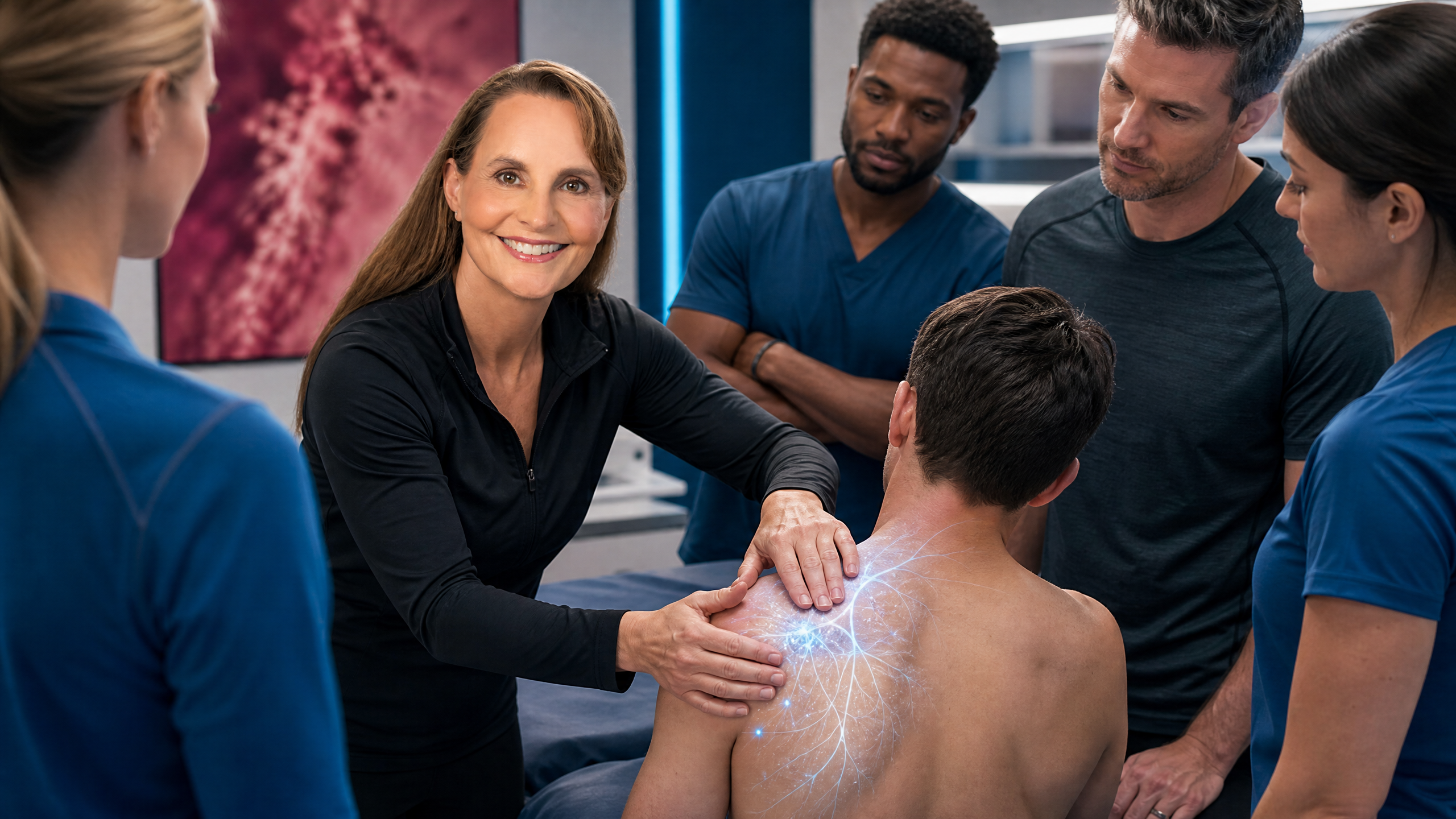
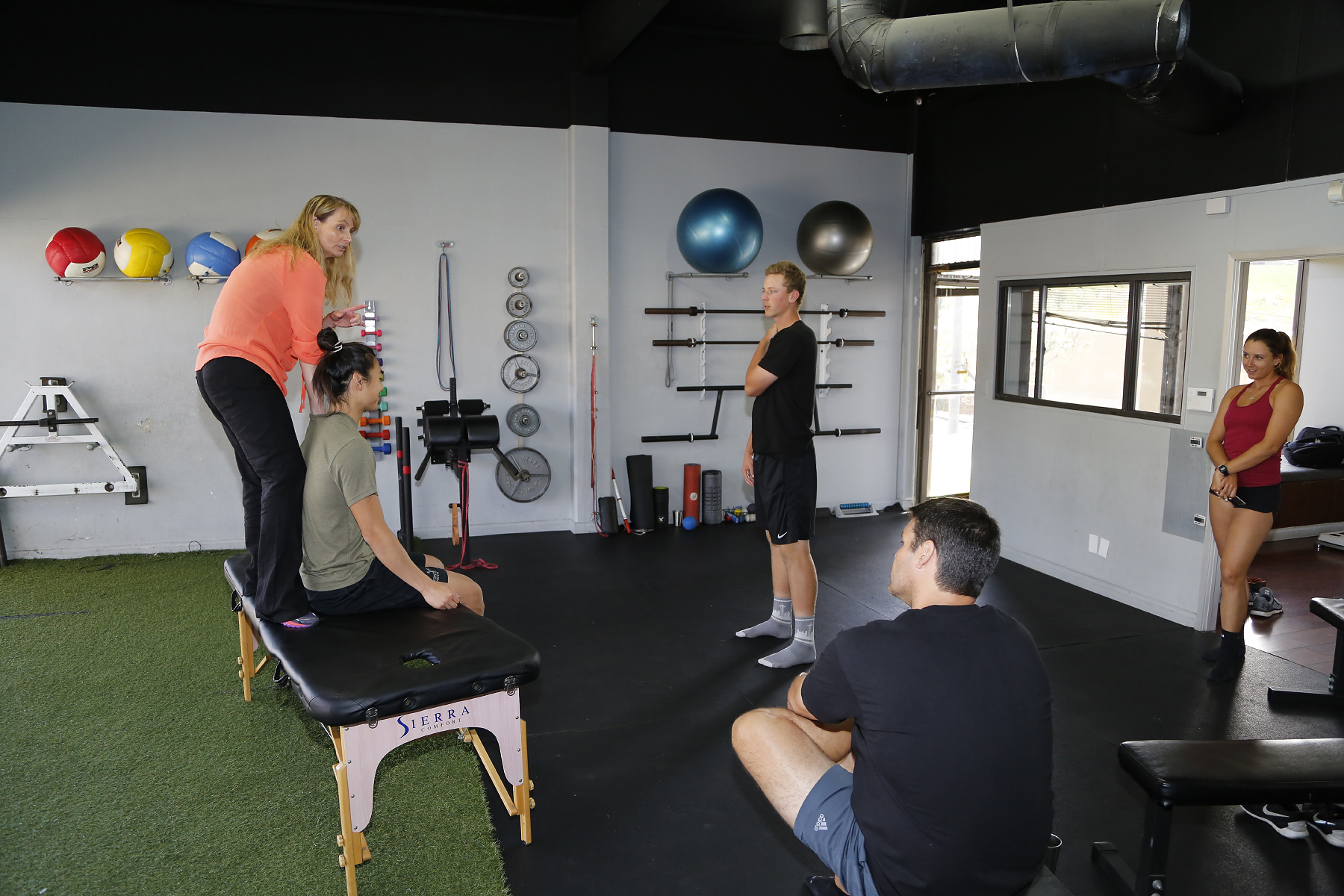
Fascia Release & Dynamic Stretch is the Fascia Training Institute’s assessment-led, manual and movement-based method. It teaches practitioners to identify restrictive patterns, apply precise fascial input, reassess measurable change and integrate the new range into movement.
The objective is not flexibility for its own sake. It is usable movement that supports function.

The clinical gap
Why Conventional Stretching Can Reach a Limit
Conventional stretching can improve range of motion. But an increase in range does not automatically explain what created the restriction, how force is being distributed or whether the body can control the new range during movement.
A muscle-by-muscle approach may miss a wider pattern. The place that feels tight is not always the primary source of the limitation. Restriction elsewhere in the fascial network, a protective response after injury, altered mechanics or reduced movement tolerance may all influence what the practitioner sees.
This is the clinical gap Fascia Release & Dynamic Stretch was built to address.
Instead of asking only, “Which muscle is tight?” the FTI method asks:
- Where is movement being restricted?
- How is that restriction changing force transmission across the body?
- What is the nervous system protecting?
- Which input produces a measurable change?
- Can the client use and retain the change during function?
Stretching is not dismissed. It is placed inside a more complete assessment, treatment and movement-integration process.
The FTI method
What Is Fascia Release & Dynamic Stretch?
Fascia Release & Dynamic Stretch is a proprietary professional method developed by Simone Fortier and taught through the Fascia Training Institute.
The method is not a single stretch. It is a clinical reasoning system: assess, apply, measure and integrate.
01
Assessment
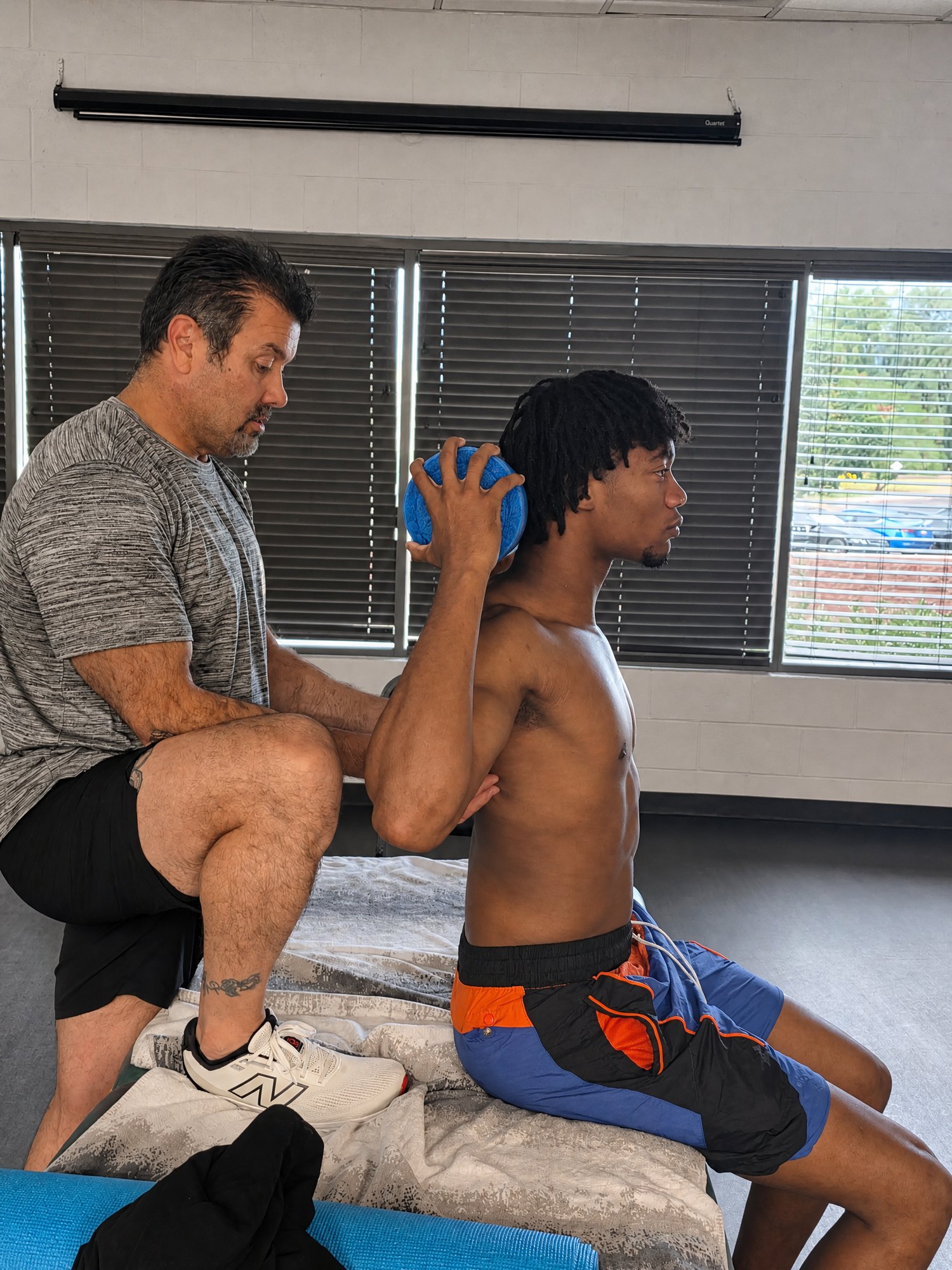
Observe asymmetry, range of motion, movement quality and compensatory patterns before intervention.
02
Targeted Fascia Release
Apply precise system release based on assessment, not a generic approach. Measure it.
03
Dynamic Stretch
Introduce controlled movement through the available range to connect tissue change with neuromuscular control.
04
Functional Reintegration
Reassess and transfer the change into walking, balance, sport, work or daily activity.
A sensory and force-transmission system
Fascia Is More Than the Tissue Around a Muscle
Fascia is a body-wide connective-tissue network. It surrounds, separates and links muscles and other structures while contributing to load transfer, movement coordination and sensory information.
Fascial tissues contain sensory nerve endings and participate in proprioception and nociception. Human research also supports in-vivo myofascial force transmission: forces generated or absorbed in one region may be influenced by connective-tissue continuity with neighbouring structures. That is why a whole-system assessment can reveal relationships that an isolated-muscle model may not show.
Fascia does not merely wrap the body. It helps transmit mechanical load and provides sensory information that influences how the body organizes movement.

Conceptual fibre-network visual. It is not a literal anatomical or microscopic image.
Measure the response
How the Method Changes Restriction, Range of Motion and Function
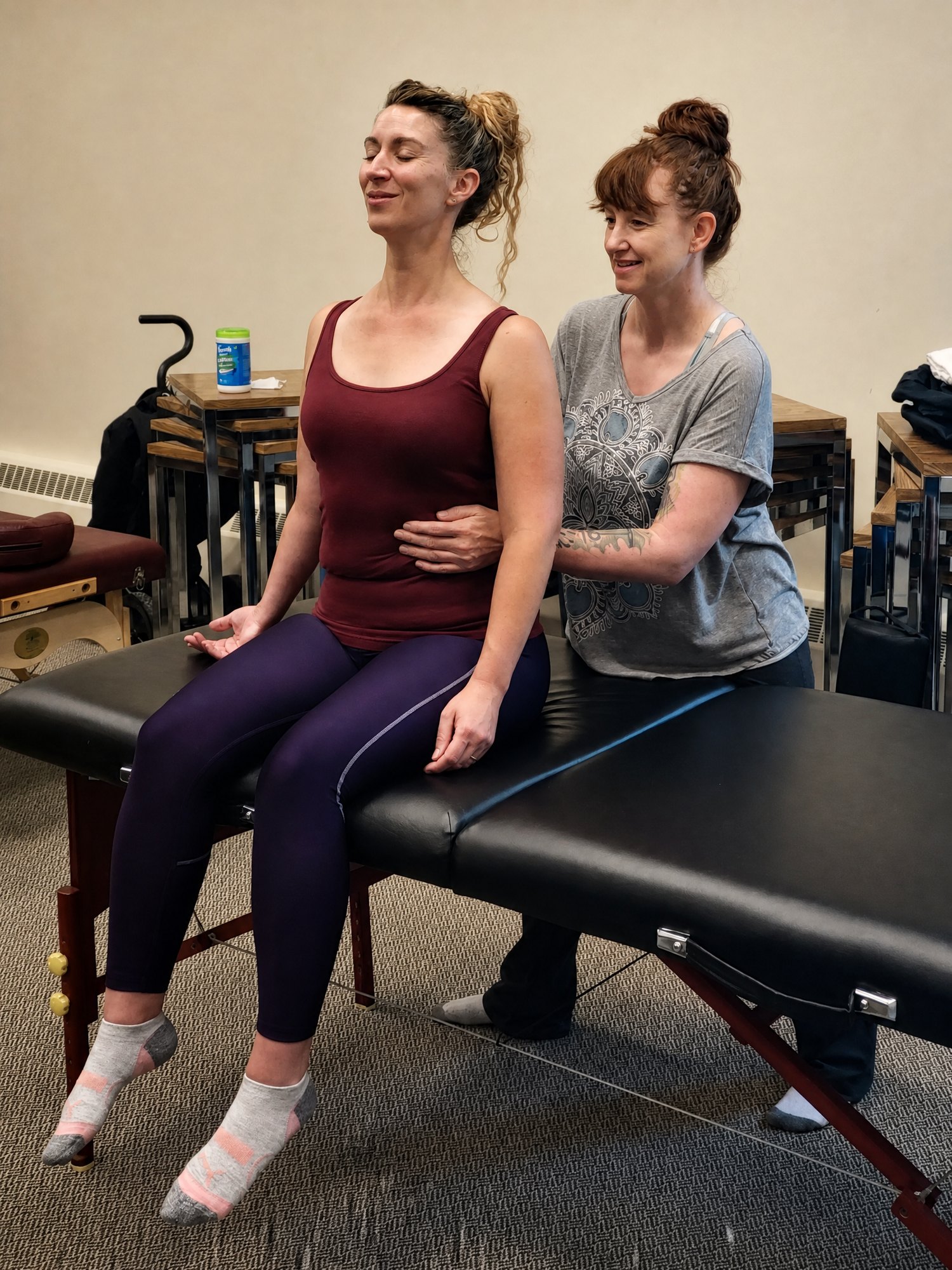
The FTI method centers on measurable responses. Practitioners establish a baseline, apply a precise intervention, and reassess.
- Identify the pattern.
- Assess fascial tension lines. Measure active or passive range, compare sides, and observe how the client organizes movement.
- Locate the restriction. Follow the pattern beyond the symptomatic area to determine where the system limits motion or redistributes load.
- Apply targeted input. Use directed manual contact and positioning appropriate to the tissue response and the practitioner’s scope of practice.
- Add dynamic movement. Move through the changed range so the nervous system can recognize and control it.
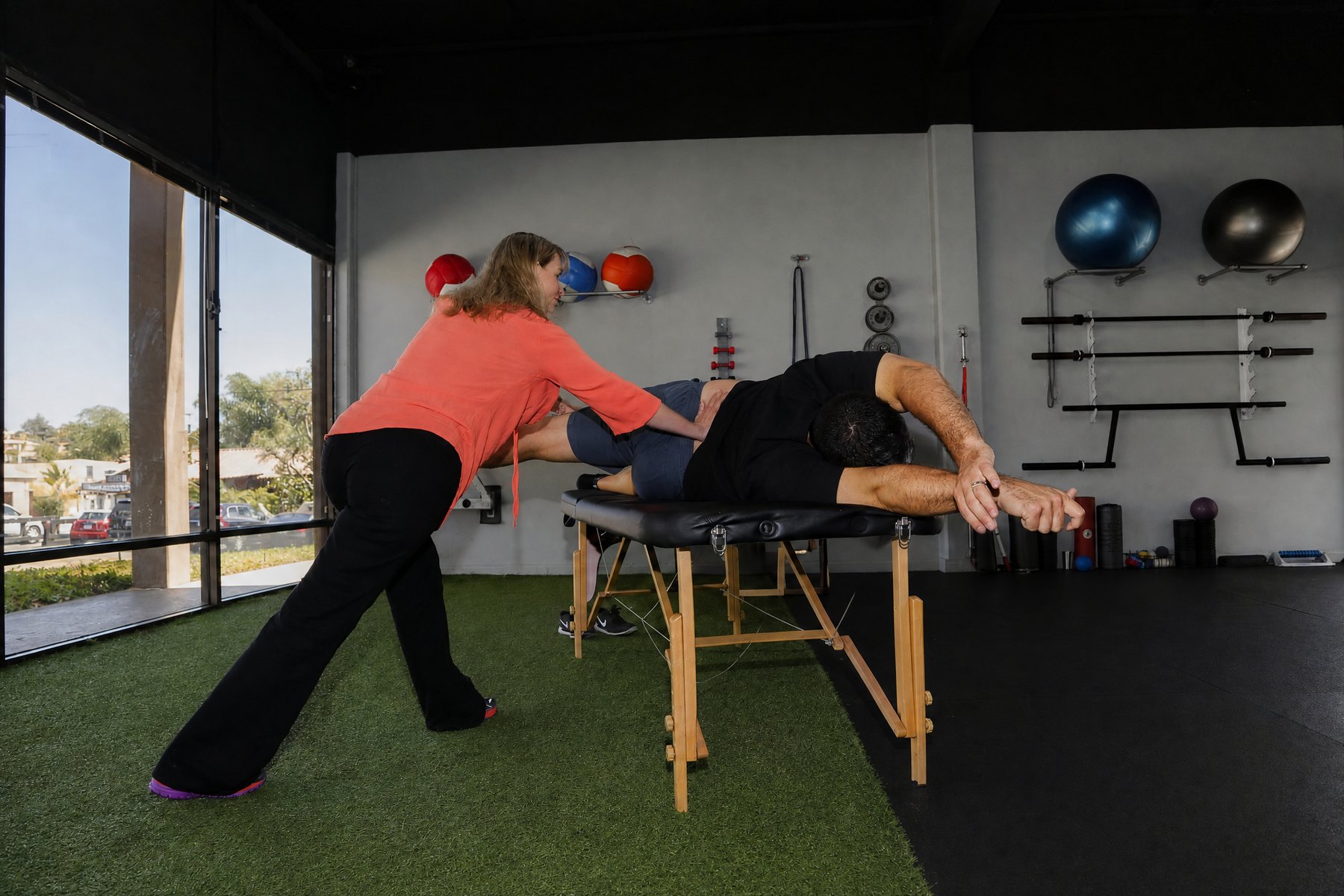
Reassess. Measure what changed: range of motion, symmetry, movement quality, symptoms or functional task performance.
Reinforce. Use selected self-care or movement strategies to support integration between sessions.
Unmeasured change is meaningless. Reassessment is not an optional extra.
It is part of the method.

Within professional scope
Clinical and Performance Applications
Fascia Release & Dynamic Stretch is designed for qualified practitioners working with movement restrictions and functional goals within their professional scope.
The method may be integrated into care or performance programming for:
- Persistent stiffness or reduced mobility
- Asymmetrical range of motion
- Sport-related movement restriction
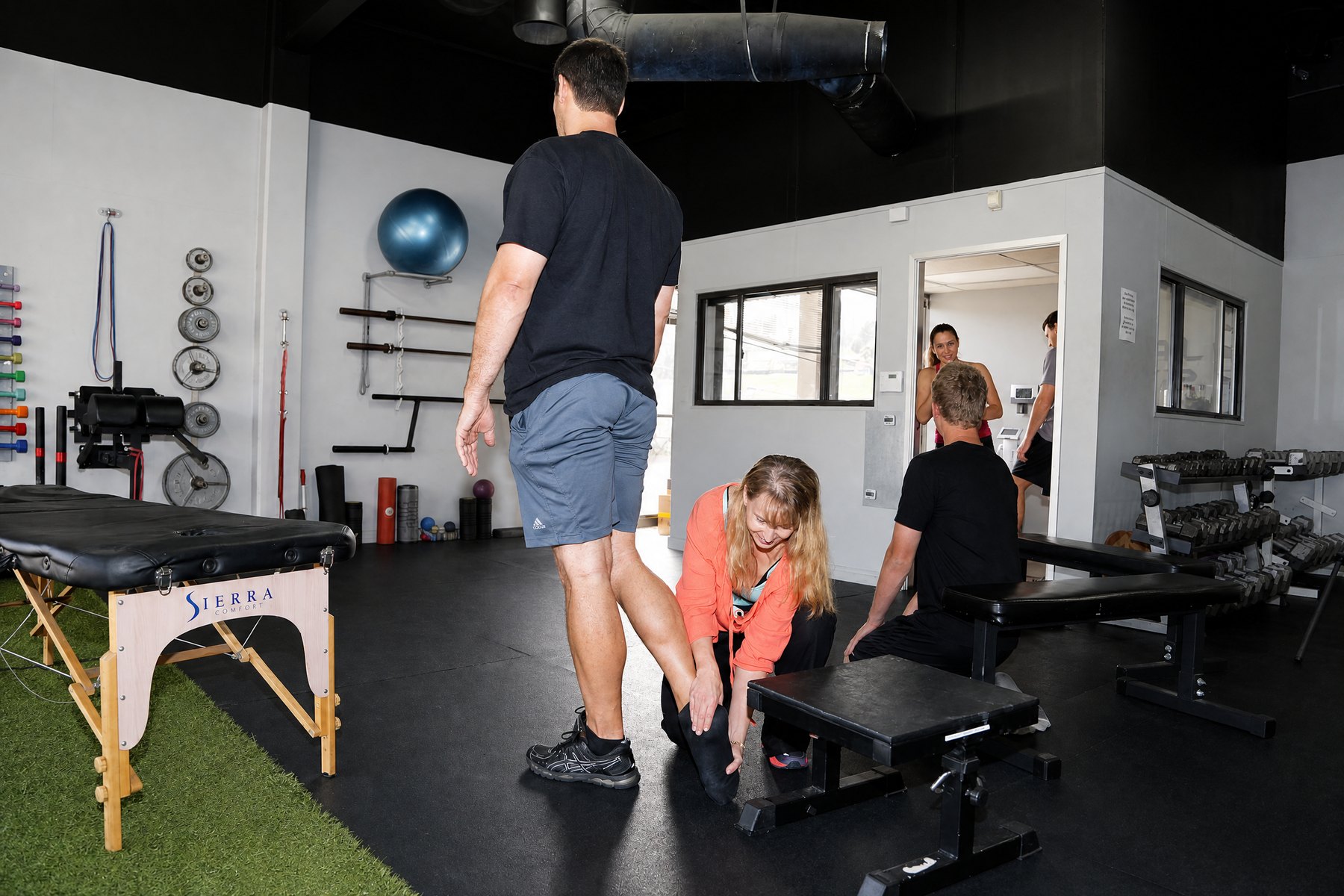
- Plantar heel and foot-related mobility limitations
- Shoulder, hip, spinal or sacroiliac movement restrictions
- Post-injury or post-operative rehabilitation after appropriate medical clearance
- Repetitive-load and occupational movement patterns
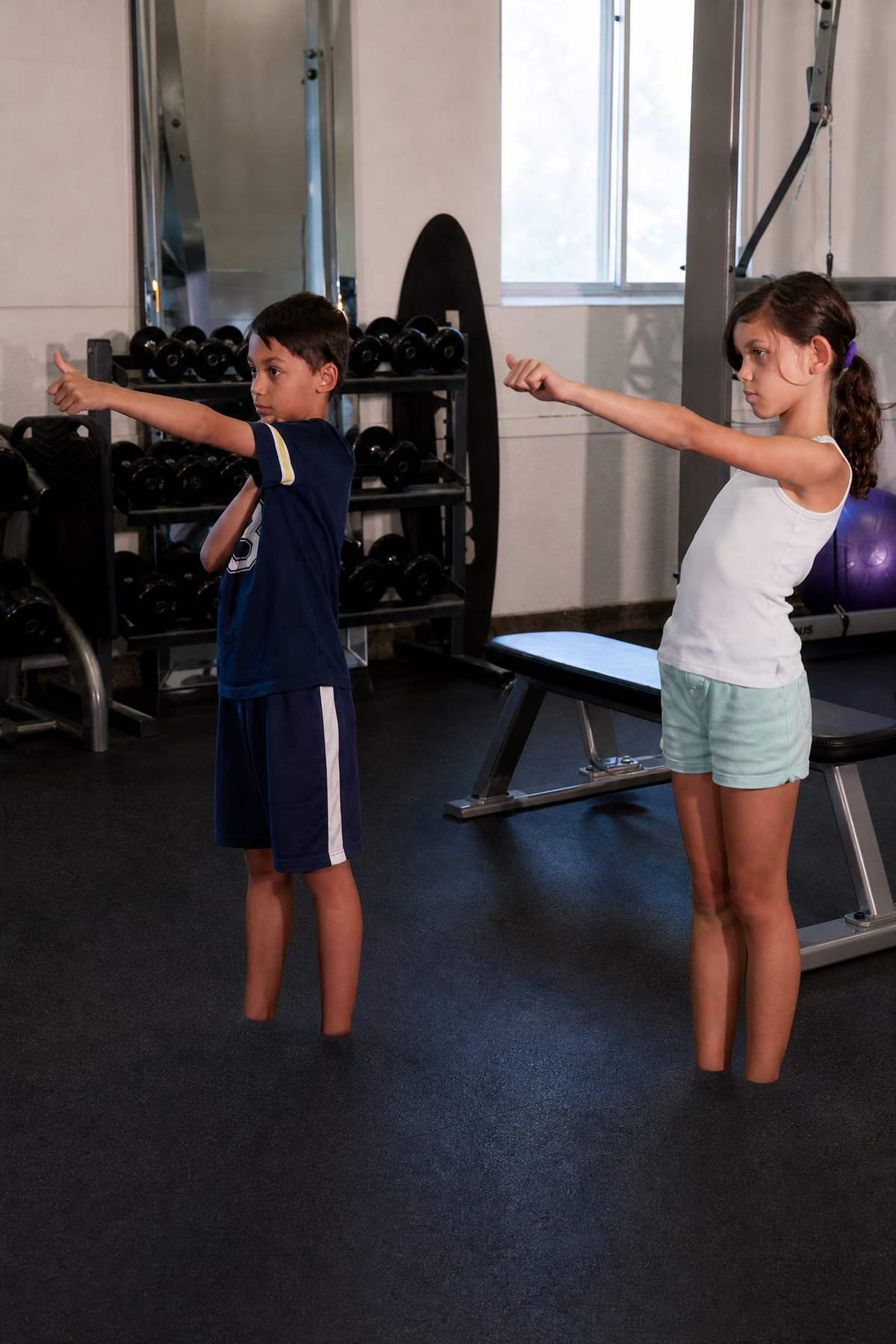
- Balance, walking and functional-movement retraining
- Performance preparation, recovery and mobility maintenance
Clinical presentations are not interchangeable. Headache, vertigo, chest pain, neurological symptoms, unexplained weakness and acute or worsening pain require appropriate screening and referral. FTI training does not replace diagnosis, emergency care or profession-specific standards.
Clinical reasoning changes the outcome
How the FTI Method Differs
Not another technique sequence. A system for deciding what to do, measuring the response, and integrating the change.
The distinction is not that massage or stretching has no value. The distinction is how the practitioner decides what to do, how movement is integrated and how the result is measured.
Athletic Trainer and Strength Coach Shares
A Reported Change That Transferred Into Performance
This is unlike any course I have ever taken.
I have completed numerous programs described as fascia training, but this was the first time I truly understood what fascia release is—and how to engage the tissue with precision.
I could implement the method in my practice immediately.
The changes are measurable, the results are visible, and clients can feel the difference. That is what builds trust, strengthens outcomes, and creates referrals.”
Jesse | Athletic Trainer, Business Owner, Denver
Built for application
Professional Training and Certification Pathway
FTI training is built for practitioners who need more than another collection of techniques. Courses develop assessment, manual precision, movement integration and clinical reasoning.
Training is relevant to eligible professionals such as chiropractors, physiotherapists and physical therapists, athletic therapists and athletic trainers, massage therapists, osteopathic practitioners, physicians, rehabilitation professionals, strength and conditioning specialists, and qualified movement professionals. Eligibility may vary by course and jurisdiction.
The pathway begins with foundational training and progresses through advanced application. Where levels apply, they must be completed in sequence. Certification requirements may include attendance, practical assessment, written evaluation, case application and ongoing skill updates, depending on the program.
Graduates may apply the methods within their existing licence, credentials and scope of practice. Course completion does not expand a practitioner’s legal scope or authorize the teaching, reproduction or sublicensing of FTI intellectual property.
He Stretched Every Day. The Restriction Remained.
A Calgary golfer came to Simone Fortier with persistent back pain despite daily stretching, Active Release Techniques, professional training, and ongoing work with a PGA golf professional.
After a series of Fascia Release & Dynamic Stretch™ sessions, the change extended beyond the treatment table. Both his trainer and golf professional independently noticed increased mobility. He reported less pain—and a six-stroke improvement in his golf handicap.
“The change was not only something I felt. It transferred into the activity that mattered.”
D. Smallwood | Calgary
.
Founder-led clinical education
Developed by Simone Fortier. Taught by the Fascia Training Institute.
Fascia Release & Dynamic Stretch was developed by Simone Fortier, Founder of the Fascia Training Institute, from more than 30 years of clinical and performance work with professional athletes, Olympic athletes, practitioners and people with complex movement restrictions.
The method reflects a central principle of Fortier’s work: pain is an output. Restriction, load, sensory input and nervous-system response must be evaluated as part of the system driving movement and function.
Fascia Release & Dynamic Stretch, its training sequence, assessment framework, techniques, manuals, educational language and related materials are proprietary intellectual property of Simone Fortier and/or the Fascia Training Institute. Course participation permits qualified use within the practitioner’s scope and according to the applicable student or licence agreement. It does not grant the right to teach, reproduce, distribute, rename or create derivative training from the method.
Professional method FAQ
Frequently Asked Questions
What is Fascia Release & Dynamic Stretch?
It is FTI’s proprietary assessment-led system combining targeted manual fascia work, dynamic stretch, functional integration and reassessment. The aim is to change restriction and improve usable range of motion and function.
Is fascia release the same as massage?
No. Massage may address local soft-tissue tension, comfort, and recovery. The FTI method begins with a movement and Fascia assessment, engages the fascia systemically, integrates active movement, and measures the response.
Why is stretching alone sometimes not enough?
People instinctively stretch the area that feels tight. But the place where you feel restriction isn’t always where the limitation begins.
The body compensates. One area becomes restricted. Another works harder, carries more tension, or produces the symptoms that get your attention.
Stretching may temporarily increase range of motion. But if you don’t assess the underlying restriction, sensory response, and compensation pattern, the body may return to the same protective strategy.
Lasting change requires more than creating range. The nervous system must recognize it, control it, and transfer it into movement.
That is the difference between temporarily feeling looser—and restoring usable function.
What does fascia do?
Fascia is a continuous connective-tissue network that contributes to structural organization, mechanical force transmission and sensory signaling, including proprioceptive and nociceptive input.
What results do practitioners measure?
Depending on the client and the practitioner’s scope, measures may include range of motion, side-to-side symmetry, movement quality, balance, symptom response and performance of a relevant task.
Who can take FTI fascia training?
Courses are designed for eligible health, rehabilitation, manual-therapy and performance professionals. Requirements vary by program, level and jurisdiction, so applicants should review the specific course criteria before registering.
Does the course provide professional certification?
FTI offers a progressive professional training pathway. Certification requirements depend on the program and may include sequential course completion, practical and written assessment, case application and continuing skill requirements.
Can graduates teach the FTI method?
No. Training permits eligible graduates to apply approved methods within their professional scope and agreement. It does not authorize them to teach, reproduce, rename or sublicense FTI methods or materials.
Where are courses offered?
FTI currently lists fascia training in Calgary, Alberta; Phoenix, Arizona; and Tampa, Florida. The live course pages provide the latest dates, prerequisites and registration status.
Is this treatment appropriate for every condition?
No. Suitability depends on the presentation, screening, contraindications, medical clearance and the practitioner’s scope. New, severe or unexplained symptoms require appropriate medical assessment.
Related clinical education
Movement Is Also a Brain-Based Process
Fascia is part of the system. So is the neurological organization that determines how movement is perceived, controlled and retained.
Explore Dynamic Brain Healing™ clinical education for practitioners who need to assess beyond tissue alone.
Professional fascia training for clinical and performance environments
Change the Restriction. Rebuild the Function.
If your clients keep returning to the same limitation, the problem may not be effort. It may be the model being used to assess and change the system.
Learn to identify the restriction, apply precise input, measure the response and integrate the change into movement.