
How Backward Falls and Tailbone Injuries Impact the Brain—And Why Fascia May Hold the Key to Healing
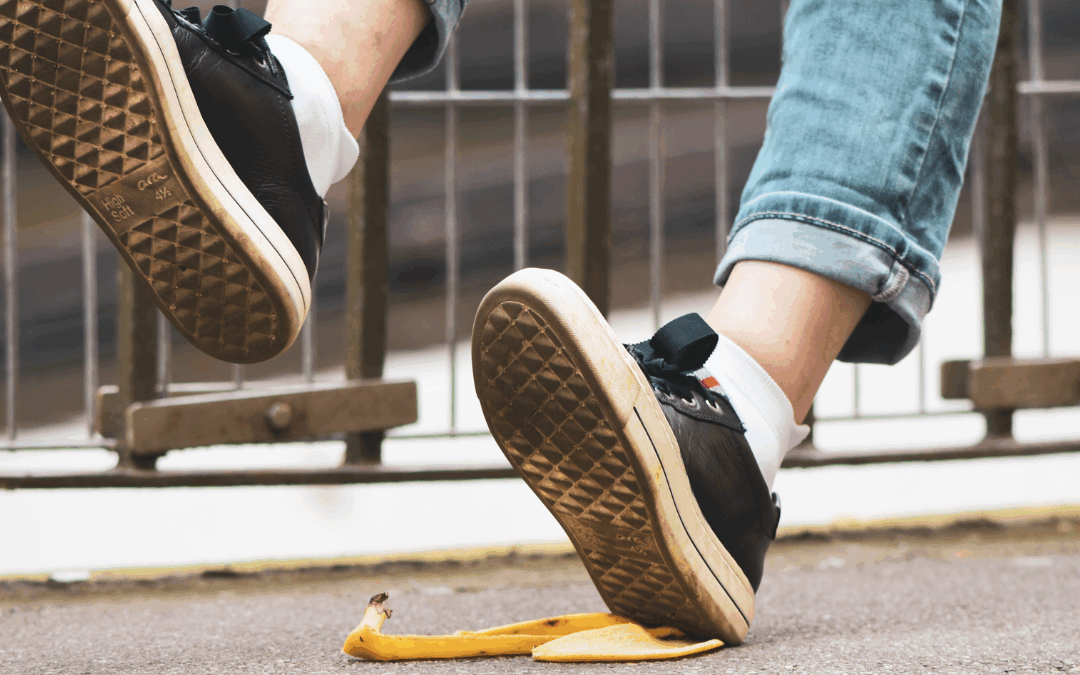
Most people think of concussions as front-of-the-head injuries, the result of colliding with another player or striking an object head-on. But some of the most difficult brain injuries to heal come from an overlooked source: falls backward, on the ice, on the field, or even at home. These impacts often affect the back of the head and the tailbone, leading to long-lasting symptoms that traditional rehabilitation struggles to resolve.
Emerging research and clinical innovation suggest a missing piece in recovery: the fascia system, the connective tissue network that surrounds and influences every structure in the body, including the brain. Dynamic Brain Healing™ Level 3, an advanced approach to concussion and trauma care, integrates fascial release, brain-based nutrition, and neuro-regulation to restore function where other methods fall short.

Why Backward Falls Are So Hard to Heal
When a person falls backward, two key brain regions are at risk:
- Occipital Lobe: Located at the back of the brain, this region controls vision. Injuries here can produce lingering issues with focus, light sensitivity, or eye strain.
- Cerebellum: Often called the brain’s balance center, the cerebellum governs coordination, fine motor control, and spatial awareness. Compression here explains why dizziness and disequilibrium are common after backward falls.
Unlike the frontal lobe, which has more overlapping networks, these posterior regions lack redundancy. When injured, they cannot easily compensate by shifting function elsewhere, making recovery slower and more challenging.
The Role of Fascial Compression
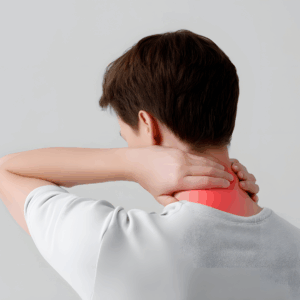
Fascia—the thin, fibrous tissue that surrounds muscles, nerves, and organs—also lines the cranium and attaches to the dura around the brain. When trauma occurs, fascia can thicken, tighten, and restrict vital structures.
Research shows thickened fascia around the occipital region can compress nerves, producing chronic head and neck pain.
Similar crowding effects are seen in Chiari malformations, where a structurally small posterior fossa compresses the cerebellum and brainstem, leading to balance problems and headaches .
Disruption of cerebrospinal fluid (CSF) flow, often from restricted space in the cranium, has been linked to inflammation and impaired brain health .
These findings point to an underrecognized reality: fascial compression may prevent the brain from having the space it needs to heal.
Tailbone Injuries: The Hidden Upward Force
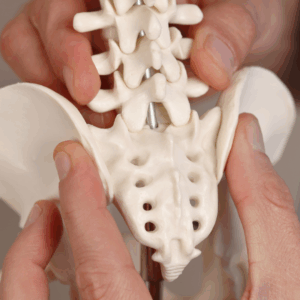
A fall on the tailbone can do more than bruise the pelvis. The impact creates axial compression forces that travel up the spine into the cranium, restricting the brainstem and cranial nerves.
This helps explain why some patients lose or alter their sense of smell or taste after what seemed like a minor fall. While most medical literature attributes these sensory losses to shearing forces in the olfactory bulb, fascial compression around cranial nerves may also play a role.
Dynamic Brain Healing™ Level 3: A New Approach
Dynamic Brain Healing™ Level 3 was developed to address these challenges by focusing on fascial decompression alongside neurochemical and neurological support.
The program combines:
- Fascia Release: Creating space in the cranium and reducing compression around the occipital and cerebellar regions.
- Brain-Based Nutrition: Supporting neurotransmitter balance for clearer thinking, mood stability, and improved sensory recovery.
- Neuro-Regulation: Calming overactive stress pathways and improving communication between the spinal cord, brainstem, and higher brain centers.
For athletes, active adults, or anyone who has “just slipped on the ice,” this approach provides more than symptom relief—it offers a pathway back to resilience.
The Future of Recovery
Backward falls and tailbone impacts are not just “simple accidents.” They create compression forces that restrict brain function in ways traditional rehab rarely addresses. By focusing on fascia, Dynamic Brain Healing™ Level 3 brings a new perspective to concussion recovery—one that emphasizes both structure and function.
As research continues to reveal the importance of fascial networks and CSF flow, therapies that release compression and restore space may become a cornerstone of brain injury care.
References
- Blake DM, Burstein R, Young WB. Emerging evidence of occipital nerve compression in unremitting head and neck pain. Headache. 2019;59(10):1750–1760.
- Rasmussen MK, Mestre H, Nedergaard M. Fluid transport in the brain. Physiol Rev. 2021;101(3):1–40.
- Juul-Madsen K, Plá V, Nedergaard M. Cerebrospinal fluid flow modulates brain health. Nat Rev Neurosci. 2025.
FAQ Section
Q: Can fascia really affect brain healing after a concussion?
Yes, research shows fascial compression can restrict nerves and fluid flow, influencing vision, balance, and even sensory pathways.
Q: Why are backward falls harder to recover from than forward ones?
Backward falls often affect the occipital and cerebellar regions, which lack redundancy and are vital for vision and balance.
Q: How does Dynamic Brain Healing™ Level 3 help?
It combines fascial release, brain-based nutrition, and neuro-regulation to restore space, improve communication, and accelerate recovery.